
A practical Kuqa travel guide for adding Kizil Caves, Tianshan Grand Canyon and old-town time to a Xinjiang Silk Road itinerary, with realistic overnight pacing, heritage access checks and long-transfer planning.
Xinjiang planning works best when hotel area, transfer timing, meal stops, guide hours, and walking level are considered together.
Kuqa, also written Kucha, is the Xinjiang stop to consider when a route needs more than the familiar Urumqi-Turpan pairing or Kashgar-and-Pamir finale. It brings cave-temple heritage, red-rock canyon country and a town-based pause to a longer Silk Road itinerary. The value is not ticking off every sight. It is allowing enough time for the heritage site, the canyon and the transfers to feel like one coherent chapter.
This guide is for travelers deciding whether Kuqa deserves two or three nights in a private Xinjiang trip. Use it with the Kuqa and Tarim Basin travel hub, the wider Xinjiang destination guide, and the Southern Xinjiang planning hub.
Quick Answer: Is Kuqa Worth Adding?
Yes, when Xinjiang is a main focus rather than a short extension. Kuqa works especially well for travelers interested in Silk Road heritage, cave-temple landscapes and a slower overland sequence toward or away from Kashgar. It is a poor fit when the trip only has enough time for Urumqi, Turpan and one distant region.
| Time in Kuqa | What it can support | What to avoid |
|---|---|---|
| One night | A transit-oriented stop only, with one carefully chosen focus if current timing allows. | Promising both a full cave-temple visit and a canyon day around a long arrival or departure. |
| Two nights | One heritage-focused day and one landscape or town-focused period, with more sensible transfers. | Treating the second day as an automatic long-distance connection to another major city. |
| Three nights | The strongest first-time pace for Kizil Caves, canyon scenery, town time and a current-condition buffer. | Turning every evening into a recovery problem after exposed daytime sightseeing. |
Why Kuqa Feels Different From Turpan and Kashgar
Turpan is an oasis-and-ruins route shaped by dry-basin history and heat-aware pacing. Kashgar is a city-and-highland gateway whose natural extension is the road toward Karakul Lake. Kuqa sits between those stories: it offers a quieter cultural-and-landscape chapter that rewards travelers who are prepared for a longer regional journey.
That makes it a useful middle section in a longer itinerary, but not a casual side trip. Link it to the Urumqi and Turpan route only when there are enough nights for the transfer to be part of the trip. Link it to Kashgar and the Pamir direction only after preserving a real rest and road buffer.
Kizil Caves: Treat the Heritage Visit as the Main Event
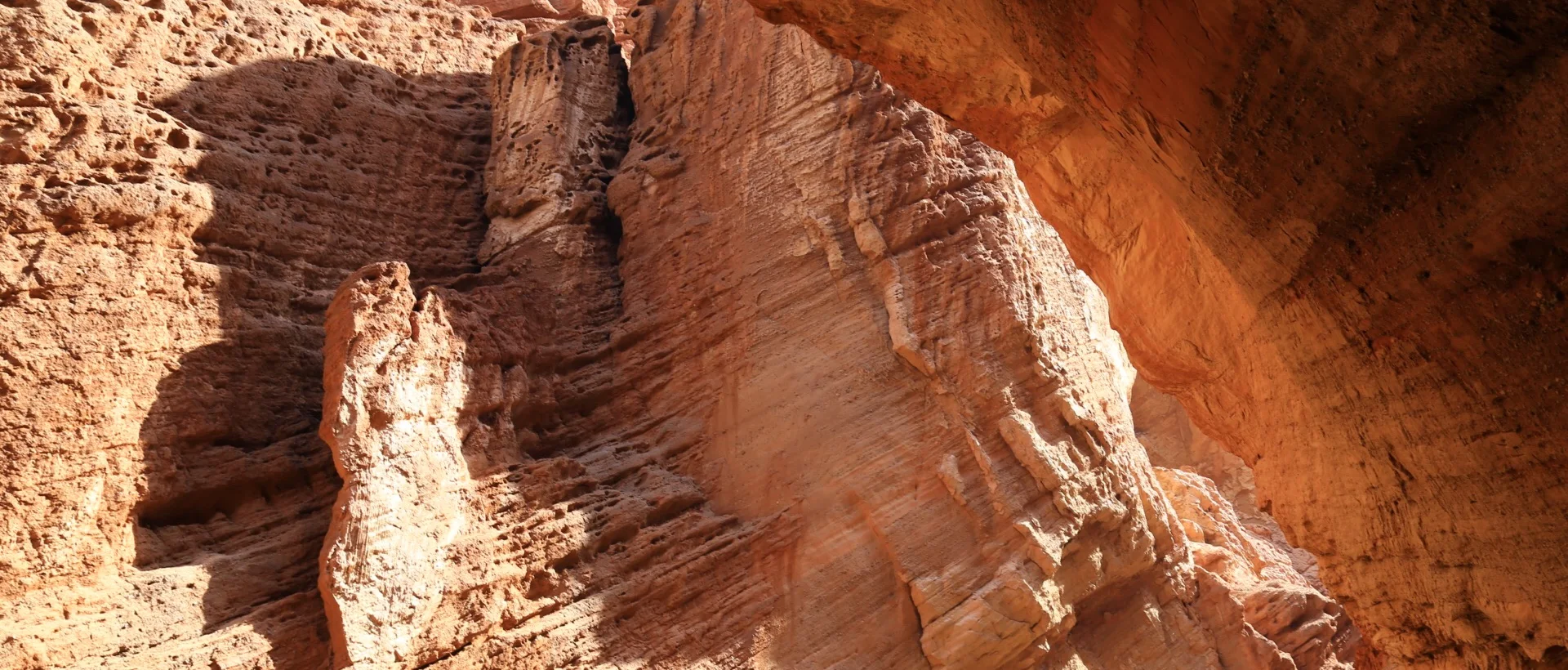
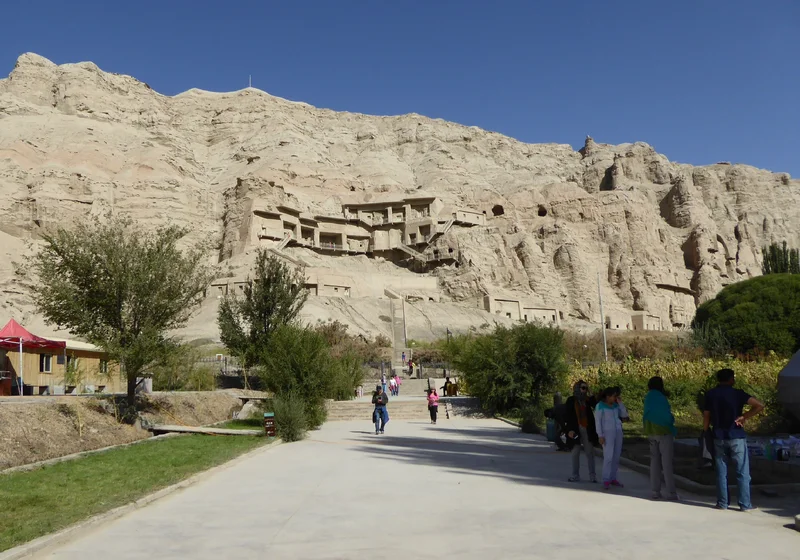
The Kizil Cave Temple Complex is one of the cultural anchors of this part of Xinjiang. The Silk Roads World Heritage documentation identifies both the Kizil Cave Temple Complex and the Subash Buddhist Ruins among the religious sites in the China section of the Chang'an-Tianshan Corridor. That context is a reason to slow down, not a reason to rush through several heritage sites in one exposed day.
Access arrangements, open areas, photography rules, visitor flow and interpretation can change. Confirm the current visitor conditions close to travel, and keep the day light enough that the group can actually absorb the setting. Do not plan on every cave or every interior being available in the same way at every time of year.
Plan the Tianshan Canyon for Walking Comfort and Weather
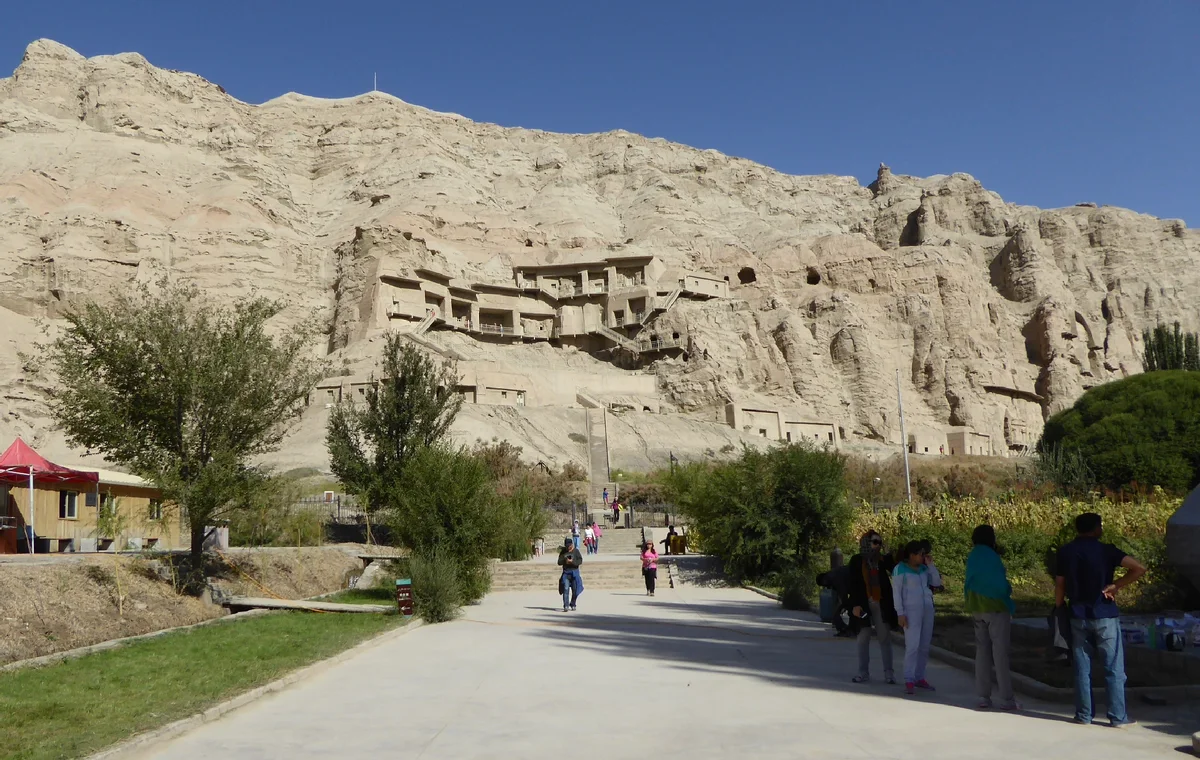
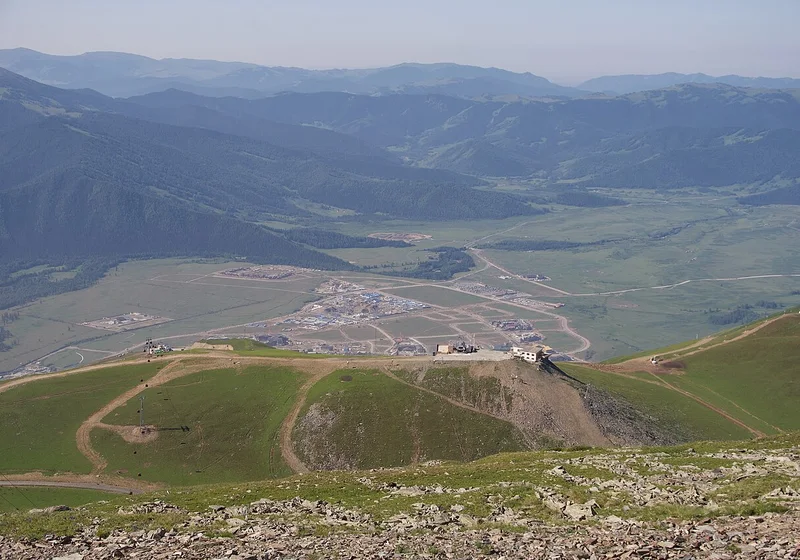
The red sandstone landscape around the Tianshan Grand Canyon is a different kind of Kuqa day: more open, more exposed and more dependent on weather, footwear and the group’s comfort with uneven ground. It works best as one principal outing, not as the first half of a packed multi-site transfer day.
Give Kuqa Town Its Own Small Window
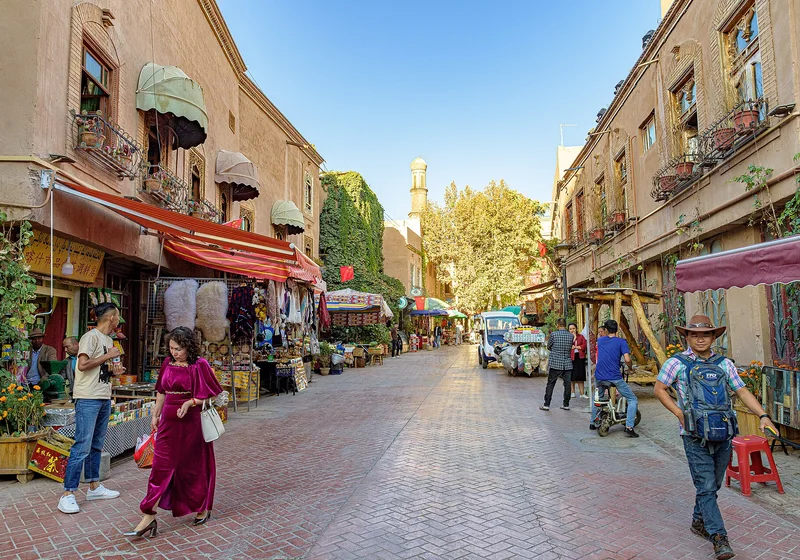
Do not make Kuqa only a hotel key between long road segments. A modest town-based window can help the route reset after an exposed heritage or canyon day. It is also a more practical place to check the next departure, organize luggage and adapt to current local transport arrangements than trying to solve everything from a remote roadside stop.
Where Kuqa Fits in a Xinjiang Itinerary
- After Urumqi and Turpan: use Kuqa only when the trip is growing into a longer Silk Road route, rather than stretching a four- or five-day first visit too far.
- Before Kashgar: give the connection its own night and do not stack a long road day directly against a Pamir excursion.
- As a culture-led Xinjiang trip: combine it with selected Tarim Basin stops only after checking current road, hotel and site conditions for the actual dates.
What to Recheck Before You Commit
Reconfirm transport, road conditions, site access, ticketing, photography rules, weather and hotel availability for the travel dates. Keep passports and any required travel documents ready for each accommodation and transport segment. An old online route should never be treated as proof that every stop, transfer or cave section is currently available.
Kuqa is worth adding when it receives the same respect as Kanas, Turpan or Kashgar: a clear purpose, enough nights and a route that can respond to current conditions. For heritage background, see UNESCO's Silk Roads: Chang'an-Tianshan Corridor documentation.
More Planning Links for This Guide
Related Tour Ideas
Tour pages that match the same city, topic, or planning intent.

Destination Planning Links
City and destination-topic pages that help readers go deeper.
Related Travel Guides
Article links for the next planning question.
Topic Hubs
Topic pages that collect routes or guides around the same intent.



Plan a Trip from This Guide
Share your travel dates, group size, and the ideas you liked in this guide. We can turn them into a private China itinerary.