
A practical South Xinjiang route-planning guide for travelers considering Kuqa, Hotan and Kashgar in one overland journey, with realistic trip length, rest stops, desert-road buffers and current-condition checks.
Xinjiang planning works best when hotel area, transfer timing, meal stops, guide hours, and walking level are considered together.
A South Xinjiang overland route from Kuqa toward Hotan and Kashgar can be one of the most memorable ways to experience the region, but it is not a short scenic detour. The distances, dry landscapes, changing road sections and hotel changes make route design more important than the number of place names on an itinerary.
This guide is for travelers deciding whether to connect Kuqa, Hotan and Kashgar in one journey. It is not a fixed tour or a promise about current road, rail or flight operations. Use it with the Kuqa and Tarim Basin travel hub, the Kuqa, Kizil Caves and Tianshan Canyon guide, and the wider Xinjiang destination guide.
Quick Answer: How Much Time Does the Full Corridor Need?
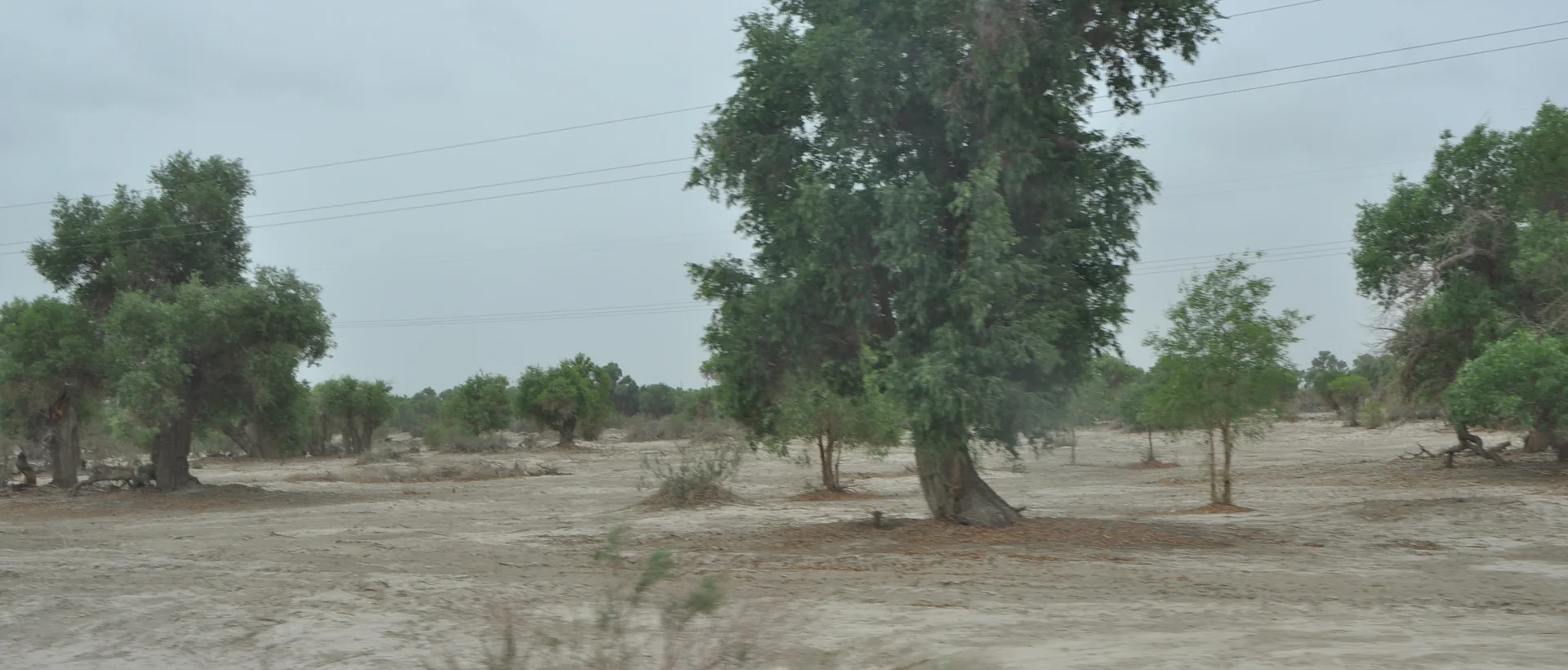
A route that includes Kuqa, a Tarim Basin transition, Hotan and Kashgar needs more than a week if it is meant to feel like travel rather than a sequence of check-ins. For many first-time visitors, around 10 to 12 nights in the region is a more realistic starting point for a road-led corridor with room for heritage, local atmosphere and a changed plan. With less time, choose one shorter section well.
| Time available | Best route decision | What to avoid |
|---|---|---|
| Under eight nights | Choose either a Kuqa-led Silk Road section or a Kashgar-led southern route. | Trying to force Kuqa, Hotan and Kashgar into one fast overland chain. |
| About 10 to 12 nights | Build a focused corridor with genuine city stops and at least one buffer around the longest transition. | Using every arrival evening as a sightseeing day. |
| Longer than 12 nights | Add selected cultural or landscape stops only after the core connection, hotels and current conditions are secure. | Assuming a longer trip makes every road day easy or interchangeable. |
Start With the Route Shape, Not a List of Attractions
The decision is whether the journey itself is part of the experience. A road-led South Xinjiang route can connect very different environments: Kuqa’s cave-temple and canyon setting, the broad Tarim Basin, Hotan’s oasis-city rhythm and Kashgar’s old-city atmosphere. That variety is the reward, but it also means the route cannot be planned as several simple day trips from one base.
Before fixing hotels, decide which section is the heart of the trip. Travelers focused on heritage and canyon scenery should give Kuqa real time. Travelers who want a southern oasis stop should leave Hotan as more than a late arrival and early departure. Travelers whose main goal is Kashgar and the Pamir should protect the city stay before adding any highland road day.
Kuqa: Keep the Heritage Section Separate From the Longest Transfer
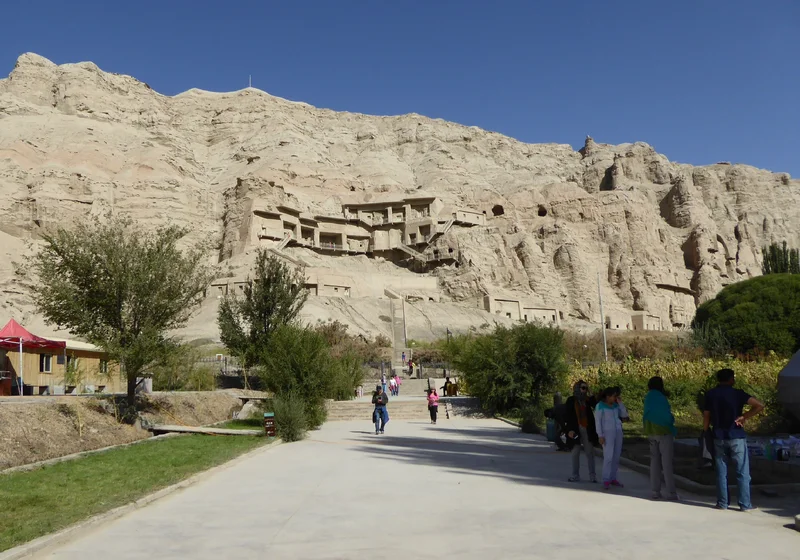
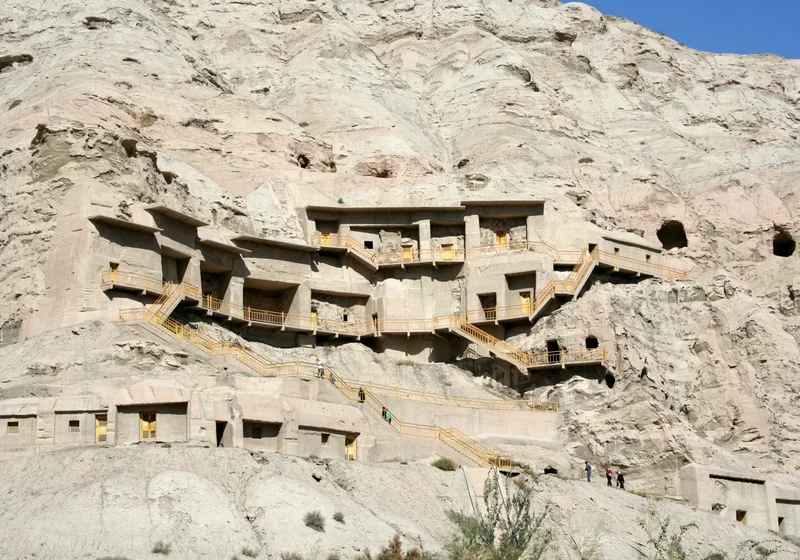
Kuqa is a good place to slow down before the route becomes more transfer-heavy. The Kizil Cave Temple Complex and the Tianshan Grand Canyon work better as their own focused experiences than as a quick stop on the morning of a long onward journey. The Kuqa planning guide explains how two or three nights can change the quality of that section.
The Tarim Basin Transition: Build a Buffer, Not a False Deadline
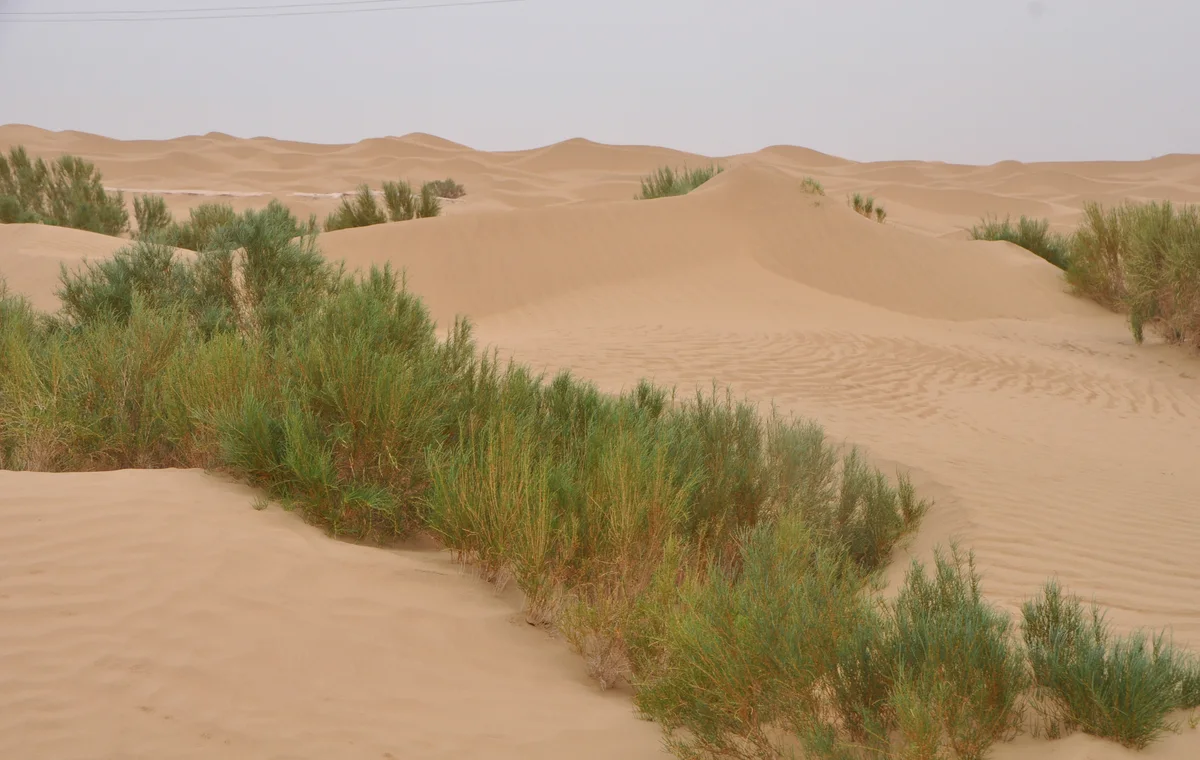
A desert crossing should not be treated as empty time on a schedule. Road conditions, weather, vehicle arrangements, rest access and local operating requirements need a close-to-departure confirmation. Give the transition its own day, keep essentials accessible rather than packed under luggage, and avoid putting the route immediately before an international departure.
Hotan: Give the Oasis Stop a Purpose
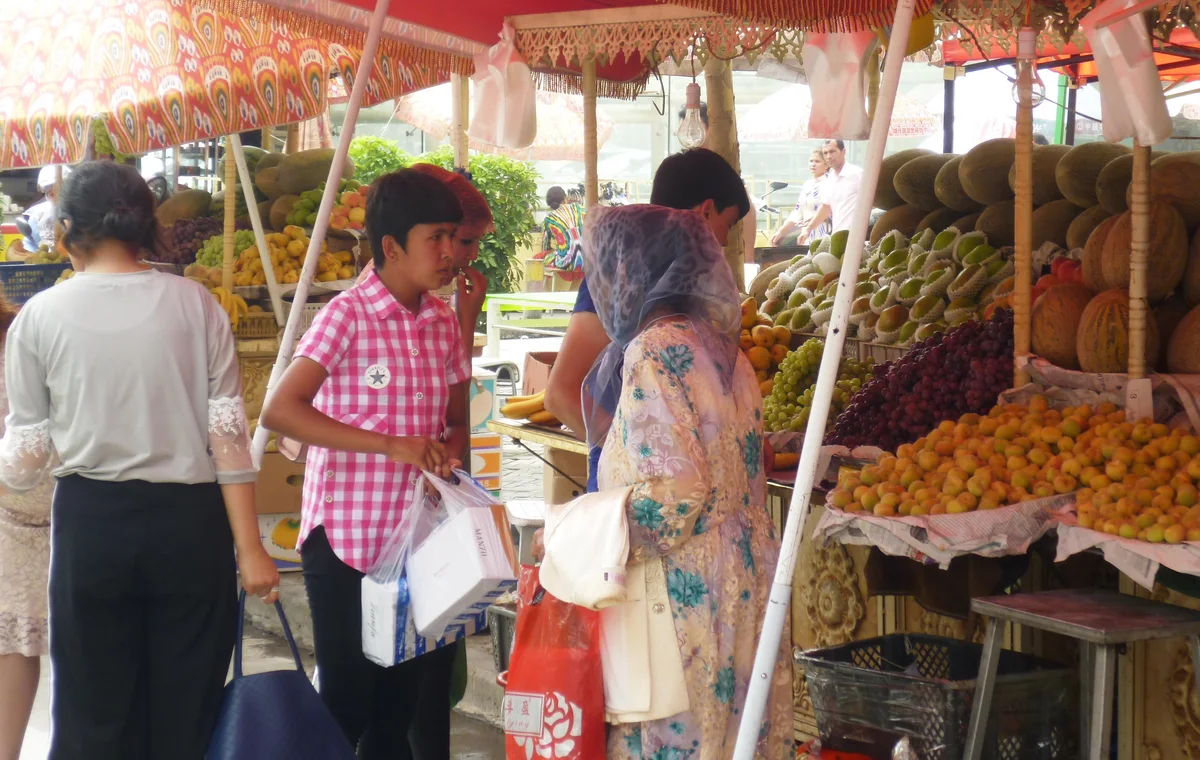
Hotan is useful when it breaks the journey with a genuine city stay rather than functioning as a name on a route map. A good plan leaves time for a meal, a market-oriented walk or a quiet reset, then confirms the next transport and hotel details before moving on. That pacing is more valuable than adding a long list of loosely connected sights after a demanding drive.
Because local opening arrangements and transport services can change, do not build the entire route around a claimed fixed market day, opening hour or old online timetable. Confirm the details relevant to your dates with the actual operator handling the journey.
Finish With Kashgar, Then Decide Whether the Pamir Is a Separate Chapter
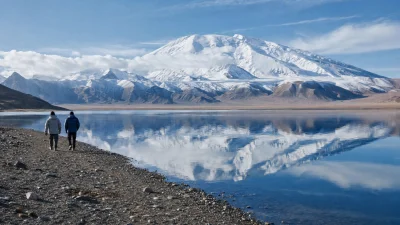
Kashgar is the right place to end this corridor with a real city stay, not a rushed departure point. Give the old-town and market side of the trip enough time to settle after the overland section. If the group also wants Karakul Lake or the Pamir direction, consider it a separate highland chapter with its own road, weather and altitude buffer.
Use the Kashgar and Karakul Lake guide to assess that separate decision. For the broader choice between a northern or southern route, return to the North Xinjiang versus South Xinjiang guide.
What to Recheck Before Travel
- Current road, weather and vehicle conditions for every long transition.
- Accommodation availability and document requirements for each overnight stop.
- Current site access and ticketing for any heritage or nature stop that anchors the day.
- Whether the final Kashgar night is protected before an onward flight or a separate Pamir section.
The best South Xinjiang overland route is not the one that covers the most ground. It is the one that gives Kuqa, the Tarim Basin transition, Hotan and Kashgar distinct roles and enough room to adjust when the real conditions require it.
More Planning Links for This Guide
Related Tour Ideas
Tour pages that match the same city, topic, or planning intent.
Destination Planning Links
City and destination-topic pages that help readers go deeper.
Related Travel Guides
Article links for the next planning question.
Topic Hubs
Topic pages that collect routes or guides around the same intent.


Plan a Trip from This Guide
Share your travel dates, group size, and the ideas you liked in this guide. We can turn them into a private China itinerary.