
A practical Ili grasslands guide for choosing between Nalati, Kalajun and Bayanbulak in North Xinjiang, with route pacing, walking comfort, road-time tradeoffs and current-condition checks.
Xinjiang planning works best when hotel area, transfer timing, meal stops, guide hours, and walking level are considered together.
An Ili grasslands itinerary becomes confusing when Nalati, Kalajun and Bayanbulak are treated as three versions of the same stop. They are all landscape-led North Xinjiang choices, but they ask for different route shapes, different amounts of walking and different tolerance for long scenic transfers.
This guide helps travelers select one primary grassland experience rather than trying to collect all three. Use it with the Ili Grasslands and Tianshan Valleys hub, the Xinjiang seasonal planning guide and the Northern Xinjiang travel hub.
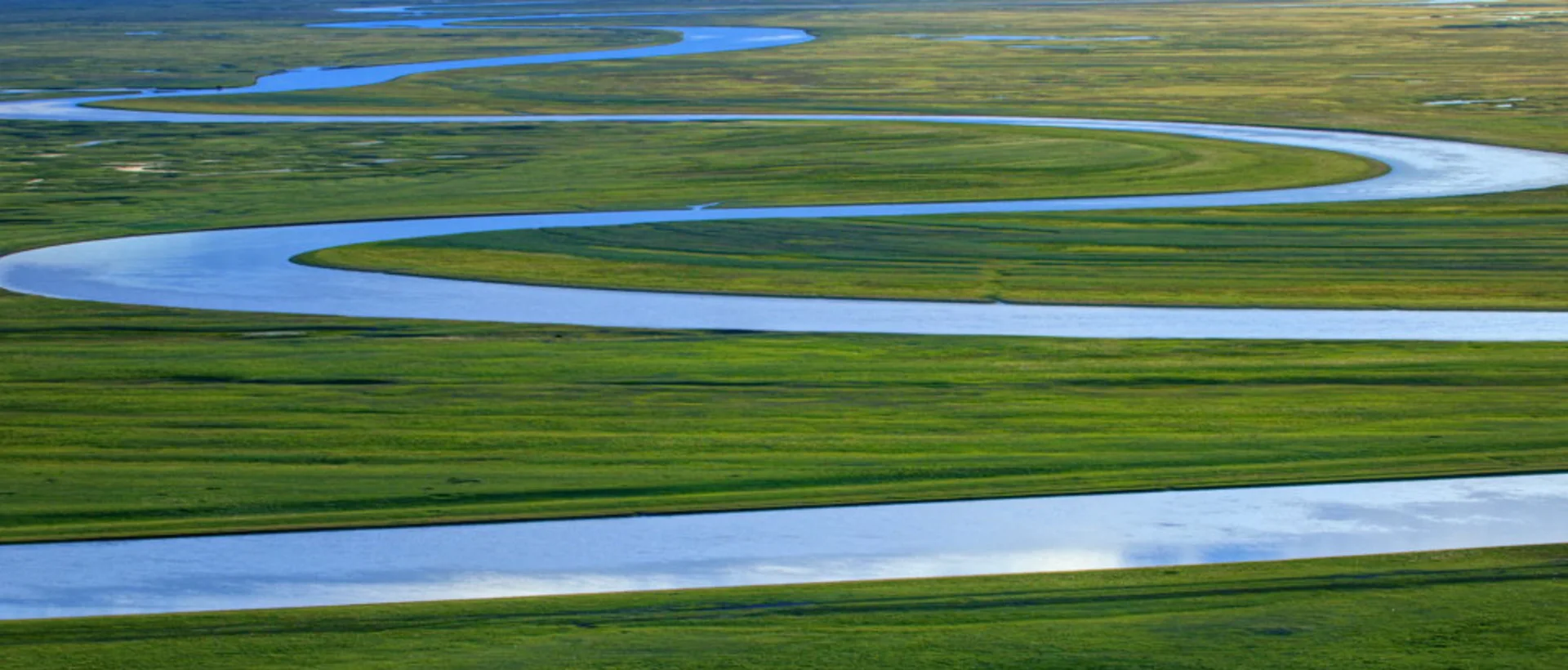
Quick Answer: Choose One Main Grassland
Choose Nalati when you want a mountain-meadow setting that can be made the centerpiece of a shorter Ili section. Choose Kalajun when your group is happiest with a more walking-led grassland-and-valley experience. Choose Bayanbulak when broad open country, big skies and a more remote road chapter matter more than squeezing several named sights into a short trip.
| Choose this place | Best for | Route tradeoff |
|---|---|---|
| Nalati | A focused first grassland stay with mountain slopes, valley views and a clear landscape base. | Keep enough time for the arrival, visitor transport and a weather-responsive day. |
| Kalajun | Travelers who value walking, changing terrain and a slower exploration of grassland scenery. | Match the route to the group’s walking comfort and do not treat every viewpoint as a quick roadside stop. |
| Bayanbulak | Open horizons, river-and-grassland scale and travelers comfortable giving a remote landscape real road time. | Protect a longer transfer buffer and avoid attaching it to a tightly timed departure. |
Nalati: A Mountain-Meadow Base
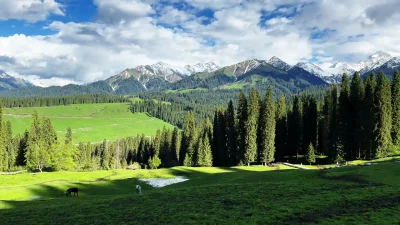
Nalati is the right direction when the desired experience is a green mountain setting with enough structure to serve as a proper base. It is not an excuse to make the schedule dense. The best use of the area is to allow an arrival period, one principal landscape day and a second window that can absorb changed weather or a slower walking pace.
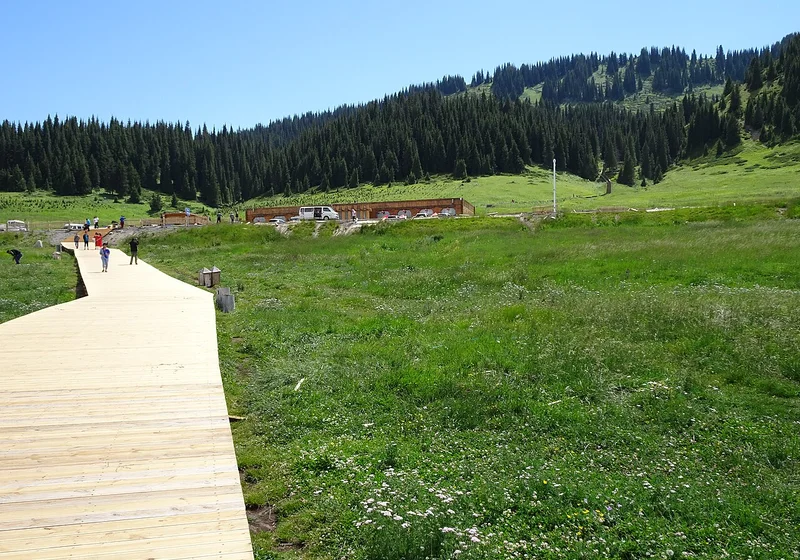
Visitor transport arrangements, open sections and weather can vary, so do not write a route around a fixed sequence copied from an old online itinerary. Confirm current operations close to departure and make sure the day still works if one high or exposed segment is unavailable.
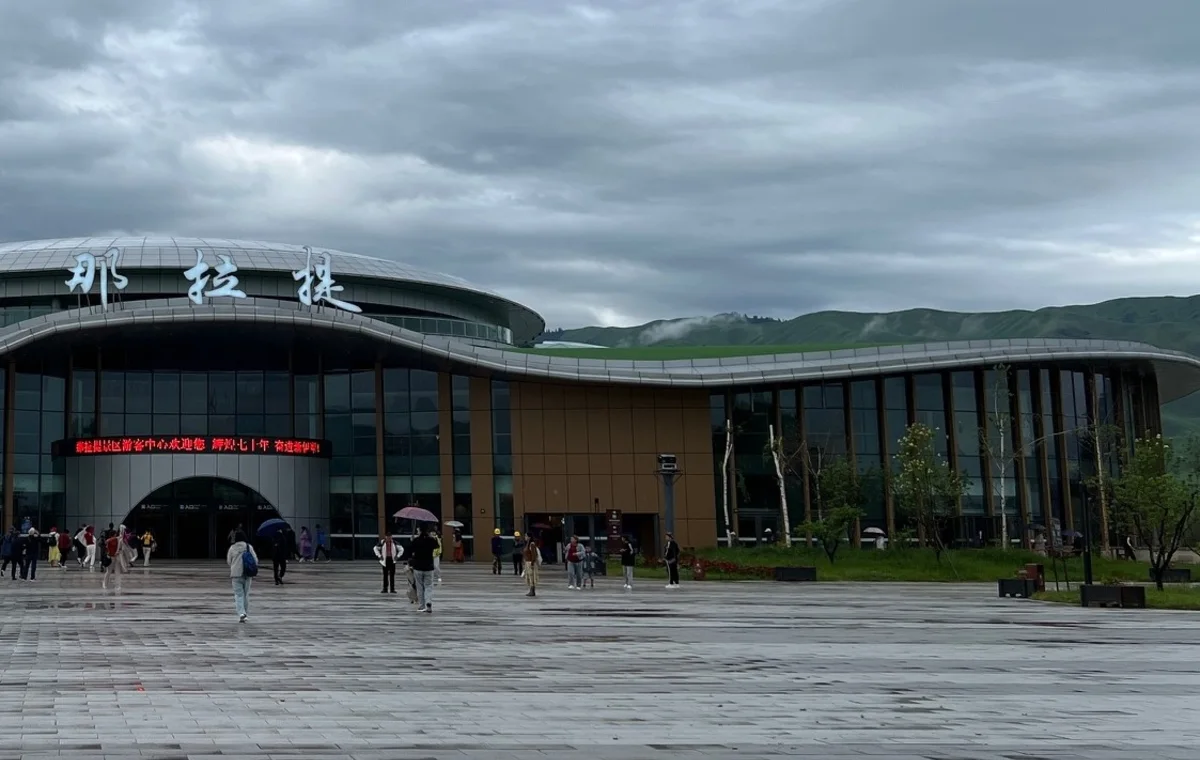
Kalajun: Choose It for a More Active Landscape Day
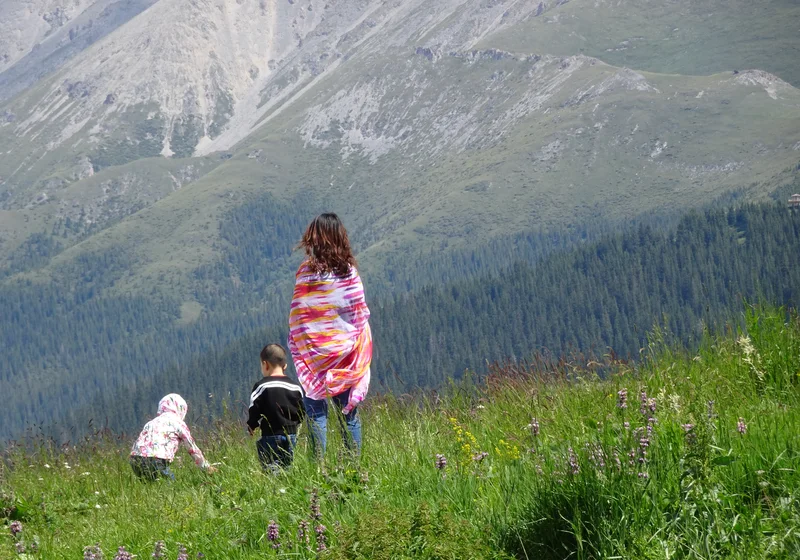
Kalajun suits travelers who do not want the grassland to be only a bus-window view. It is a better match when the group is willing to spend time outdoors, accept uneven ground and shape the day around selected walks or viewpoints. That makes it less suitable for a rushed add-on after a long transfer or for an itinerary that cannot adapt to rain, wind or a slower group member.
Do not plan Nalati and Kalajun as interchangeable same-day substitutes. They can both fit a longer Ili journey, but only when the itinerary has enough nights to make each one a different experience rather than two versions of the same photo stop.
Bayanbulak: Give the Wide-Open Route Its Own Time
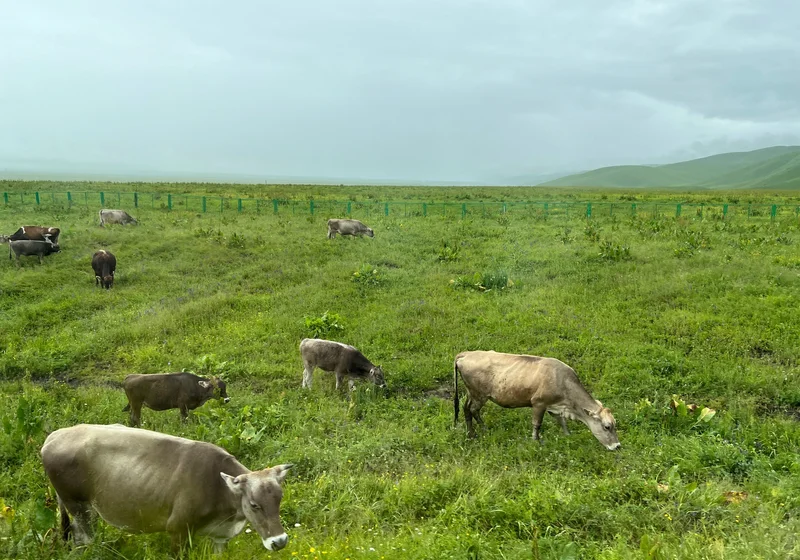
Bayanbulak is a good choice for travelers drawn to scale: open grassland, water channels and a bigger sense of distance. It is best approached as a distinct route chapter. The experience is weakened when the road is treated as empty time or when the group arrives late and leaves before there is room to absorb weather, light or a changed transport plan.
Because the setting is exposed and the surrounding route can be long, carry layers, protect rest stops and keep the next major transfer flexible. Confirm road, local visitor access and accommodation arrangements for the actual travel dates rather than relying on historic route descriptions.
How Many Nights Does the Ili Grasslands Section Need?
- Two nights: choose one main grassland area and keep the plan simple.
- Three to four nights: add depth to one base or combine a grassland stay with a carefully paced valley transfer.
- Five nights or more: consider two distinct grassland experiences only after transport, road conditions and hotel sequence are checked for the dates.
Keep It Separate From the Kanas and Hemu Question
Ili and the Kanas-Hemu side of North Xinjiang both appeal to landscape travelers, but they should not automatically be combined. Kanas and Hemu are a lake, forest and village sequence; Ili is a valley-and-grassland route with a different road rhythm. Use the Kanas and Hemu planning guide to decide whether the trip has enough nights for both chapters.
What to Recheck Before You Commit
- Confirm the current road, visitor-transport and access arrangements for the selected grassland, not just for the broader region.
- Match walking distance, elevation exposure and vehicle time to the actual group.
- Keep a weather buffer and do not make the only landscape day the day before a fixed onward departure.
- Use the North Xinjiang versus South Xinjiang guide before trying to combine an Ili route with distant parts of the region.
The best Ili grasslands itinerary is not the one with the most names. It is the one that selects a primary landscape, gives it enough time and leaves the rest of the route room to work.
To turn these landscape preferences into an itinerary, compare Ili tours from Yining and confirm the seasonal road plan for your dates.
More Planning Links for This Guide
Related Tour Ideas
Tour pages that match the same city, topic, or planning intent.

Destination Planning Links
City and destination-topic pages that help readers go deeper.
Related Travel Guides
Article links for the next planning question.
Topic Hubs
Topic pages that collect routes or guides around the same intent.


Plan a Trip from This Guide
Share your travel dates, group size, and the ideas you liked in this guide. We can turn them into a private China itinerary.