
A practical Kashgar Old City and Grand Bazaar guide for international visitors, covering how to protect a slower city day, choose between lanes and market time, plan a relaxed food stop and keep the Pamir road for another day.
Xinjiang planning works best when hotel area, transfer timing, meal stops, guide hours, and walking level are considered together.
Kashgar is not only the launch point for the Pamir road. Its old-city lanes and bazaar life deserve a real city day of their own. The best version is not a fixed checklist: it is a slower sequence of walking, market time, a meal break and enough room to notice the everyday rhythm around you.
This guide is for travelers deciding how to use that city day before or after a southern Xinjiang road section. It does not promise current opening arrangements, performances, access patterns or market schedules. Use it with the Southern Xinjiang travel hub, the Kashgar and Karakul Lake planning guide and the South Xinjiang overland route guide.
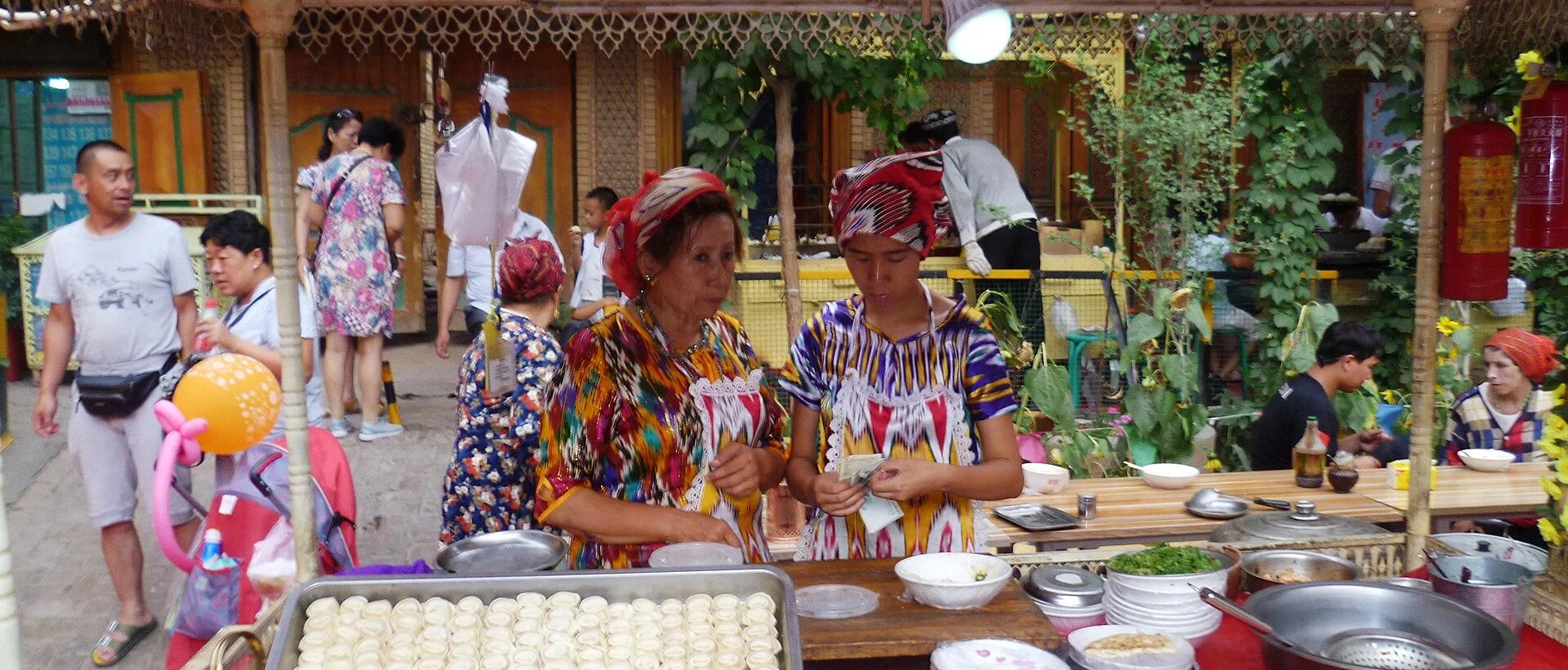
Quick Answer: How Much Time Does Kashgar Need?
Protect one full, unhurried city day. Two hotel nights make that much easier, especially after a late arrival or before a long mountain-road day. A shorter stop can still be enjoyable, but it should focus on one walkable old-city section and one market or meal experience instead of trying to cover every famous name.
| Time available | What works well | What to avoid |
|---|---|---|
| One afternoon | Choose a compact old-city walk, pause for tea or a meal, then keep the evening flexible. | Crossing the city repeatedly to force in every market, monument and meal stop. |
| One full day | Give the lanes, a bazaar-oriented visit and a food break separate space in the day. | Fixing the whole experience around one old timetable or staged activity. |
| Two nights | Settle in after arrival, take the city day at a human pace, then start the next road section rested. | Scheduling a high-altitude Pamir excursion immediately after a late city evening. |
Build the Day Around Three Different Experiences
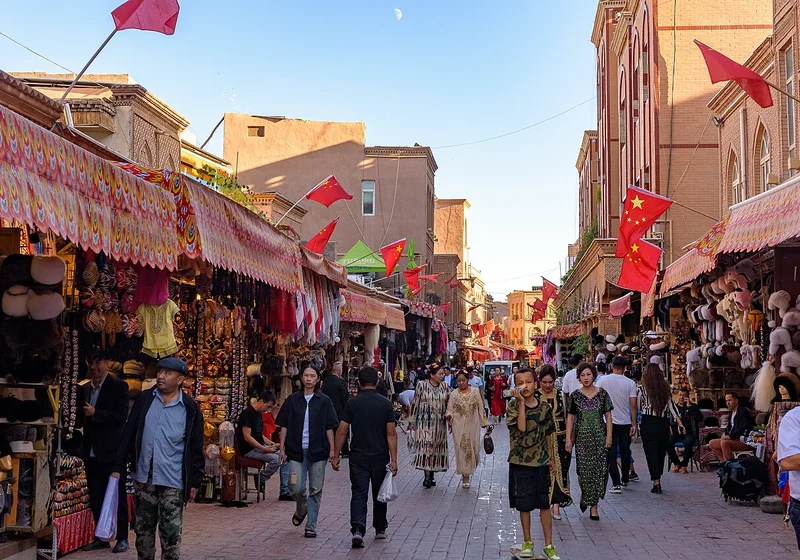
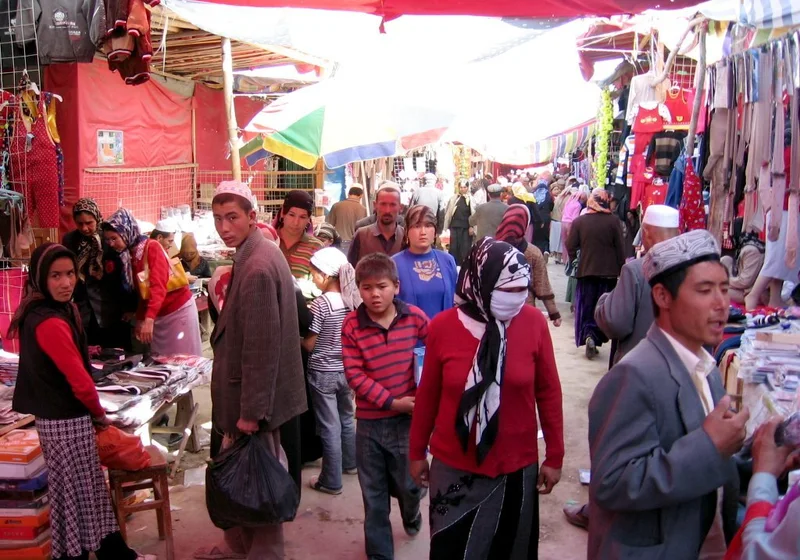
Kashgar feels strongest when old-city lanes, bazaar time and food are treated as different experiences rather than one rushed attraction. Start with the streets when the group is fresh enough to walk slowly and take in the changing detail. Keep the market period open-ended: browsing, conversation and a small purchase take more time than a quick photo stop. Then use a meal or tea break as a genuine pause, not a transition squeezed between two transfers.
It is usually better to leave one section unexplored than to turn the day into a sequence of car drop-offs. A guide can help make the walking route practical, but the core decision is simple: choose fewer areas and give them enough attention.
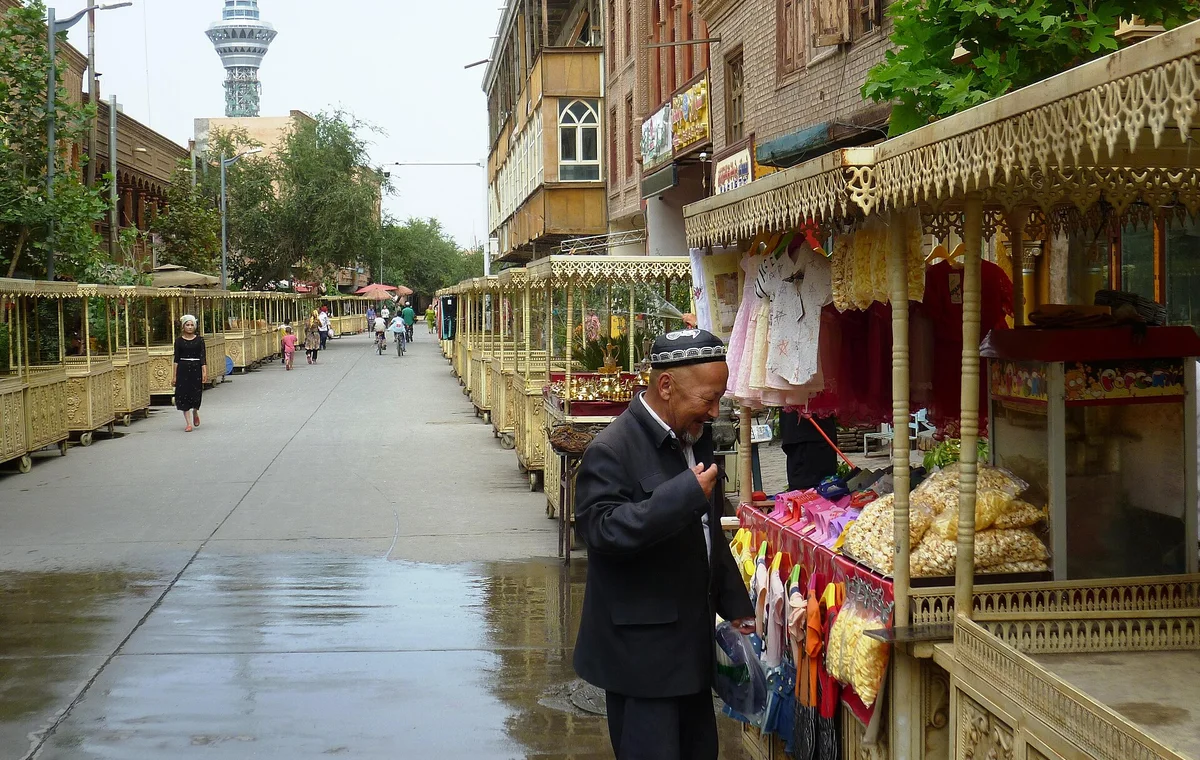
Old-City Walking: Choose One Meaningful Area
Walk with a purpose but without a rigid turn-by-turn plan. Look for the small-scale details that make a city stay different from a road journey: shopfronts, shaded lanes, street activity and the changing pace between busier and quieter sections. The appropriate path, time and visitor arrangements can change, so ask locally what is workable on the day rather than relying on a copied map or an old schedule.
Be considerate with photography. Ask before taking close portraits or photographing a stallholder’s work; do not treat homes, worship spaces or working areas as open sets. That approach is both more respectful and more likely to create an easy, natural visit.
Bazaar Time: Browse Rather Than Rush
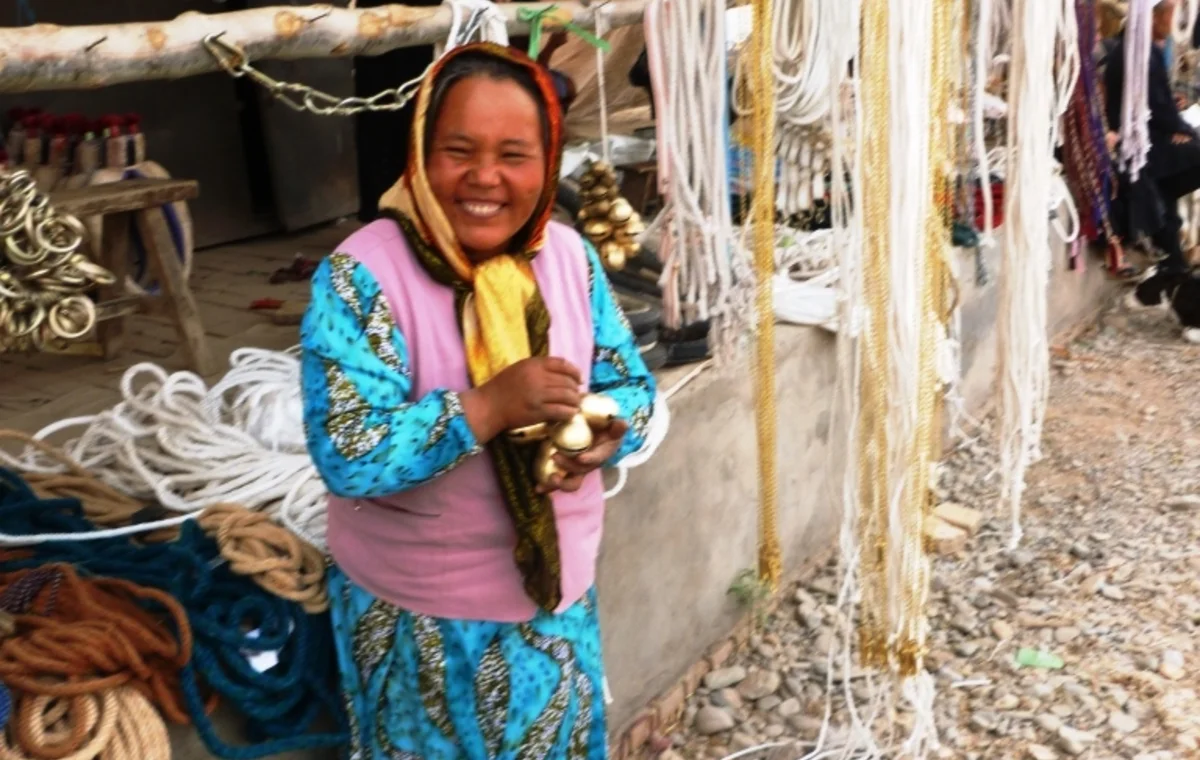
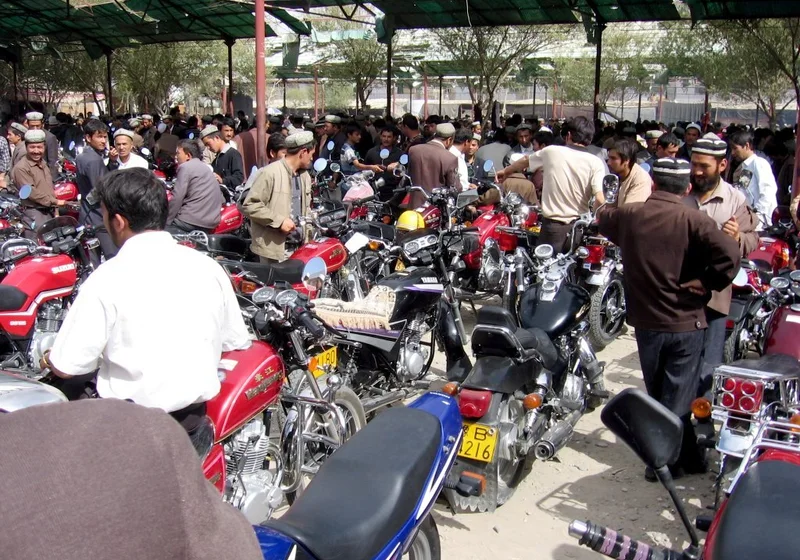
A Kashgar bazaar visit is most useful when the group can browse without a forced purchase or a countdown to the next vehicle. It can be a place to notice craft goods, fabrics, household items, food ingredients and the way a working market moves through the day. Market patterns and individual sections vary, so build the itinerary around the experience of browsing rather than promising a particular stall, event or product.
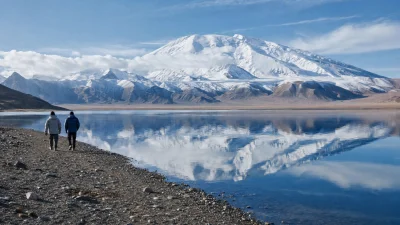
Save the Pamir Road for Another Day
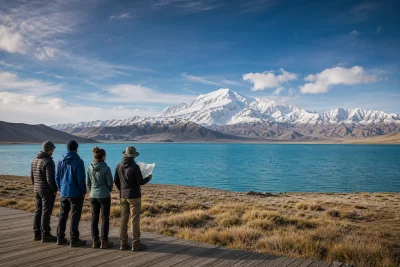
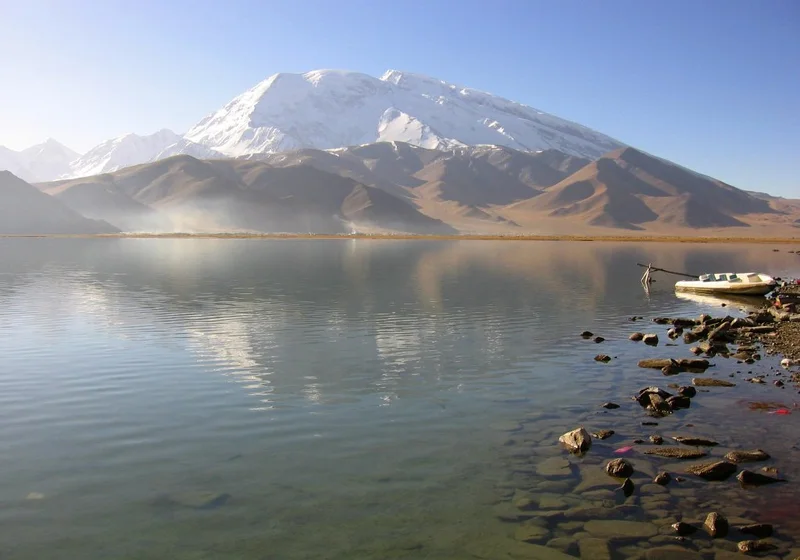
The most common planning mistake is trying to combine a full Kashgar city day with the route toward Karakul Lake. They are different experiences with different demands. Keep the city day low-pressure, then give the mountain route its own early start, weather buffer and altitude-aware pace. The Kashgar and Karakul Lake guide explains what that separate road day requires.
For a longer southern Xinjiang journey, Kashgar is also the natural place to recover after the Tarim Basin corridor. Use the Kuqa-Hotan-Kashgar route guide to decide whether the city should be the final chapter or the base before a second highland chapter.
What to Confirm Before You Go
- Current visitor access, local walking arrangements and any photography restrictions for your specific dates.
- Whether the group prefers a gentle old-city walk, a market-focused period or a food-oriented evening.
- How much walking, standing and warm-weather exposure feels comfortable for everyone.
- A protected night before any long mountain-road section or major departure.
Kashgar rewards travelers who leave the city enough room to be a city. Give the old lanes, bazaar rhythm and meal breaks their own time, then keep the Pamir route for a separate day. That balance makes southern Xinjiang feel far more coherent than trying to turn every experience into one long excursion.
More Planning Links for This Guide
Related Tour Ideas
Tour pages that match the same city, topic, or planning intent.

Destination Planning Links
City and destination-topic pages that help readers go deeper.
Related Travel Guides
Article links for the next planning question.
Topic Hubs
Topic pages that collect routes or guides around the same intent.


Plan a Trip from This Guide
Share your travel dates, group size, and the ideas you liked in this guide. We can turn them into a private China itinerary.