
A practical Shanghai food guide for first-time visitors, covering signature dishes, neighborhood meals, family comfort, and how to plan dining around sightseeing.
Shanghai planning works best when hotel area, transfer timing, meal stops, guide hours, and walking level are considered together.
Shanghai is one of the easiest Chinese cities for international travelers to enjoy through food. The city has famous snacks, refined regional dishes, modern restaurants, historic tea houses, and neighborhoods where a short walk can turn into a relaxed local tasting route. The key is not to eat everything in one day. The best Shanghai food plan uses meals to support the sightseeing schedule instead of interrupting it.
What to eat in Shanghai
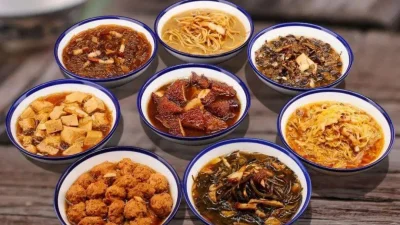
For a first visit, focus on a small group of representative dishes. Xiaolongbao, or soup dumplings, are the dish many travelers expect. Pan-fried buns are richer and more filling. Scallion oil noodles are simple but deeply local. Braised pork, freshwater fish, seasonal vegetables, wontons, and local-style crab dishes can be added depending on the season and your comfort level. If you prefer lighter meals, Shanghai also has good cafes, bakeries, hotel restaurants, and international options.
How to plan meals around sightseeing
The most comfortable approach is to match food stops to neighborhoods. If you visit the Bund and Yu Garden area, plan old-city snacks or a casual local lunch nearby. If you walk the Former French Concession, leave time for cafes, small restaurants, and slower local streets. If you visit a museum or riverfront area in the afternoon, schedule dinner after the main walking is finished so the group is not rushed.
Suggested one-day food rhythm
- Morning: light breakfast at the hotel, then sightseeing while energy is high.
- Lunch: one local restaurant with noodles, dumplings, vegetables, and a dish suitable for sharing.
- Afternoon: tea, coffee, or a small snack instead of another heavy meal.
- Dinner: a planned restaurant near the final sightseeing area or hotel, especially if traveling with children or senior guests.
Food planning for private groups
A private guide can help with ordering, dietary notes, hygiene comfort, restaurant timing, and realistic portions. This is especially useful when travelers want authentic local dishes but still need a clean setting, non-spicy options, vegetarian dishes, child-friendly food, or easy access after a long sightseeing day. Tell the operator in advance about allergies, spice tolerance, seafood limits, mobility needs, and whether your group prefers famous restaurants or quieter local places.
Where to connect food with local life
Shanghai food is most enjoyable when it is tied to a walk. The Former French Concession works well for cafes, local lanes, bakeries, and small restaurants. Yu Garden and the old city are useful for snacks and traditional atmosphere. The Bund is better for views and evening dining. For broader city planning, see the Shanghai Food & Local Life topic and the main Shanghai travel guide.
Common mistakes to avoid
Do not schedule too many famous food stops in one day. Avoid long detours for a single restaurant unless it is truly important to your group. Do not assume every traveler wants adventurous dishes at every meal. A balanced Shanghai plan should include local flavor, comfortable timing, and enough flexibility to adjust if the group is tired, the weather changes, or a restaurant is too crowded.
How to turn food into part of the Shanghai route
For private travel, Shanghai meals work best when they are attached to the day’s geography. If the morning is built around the Bund, Yu Garden, or old-city lanes, plan a meal nearby instead of crossing town just for a famous restaurant. If the day already includes museums or shopping streets, choose a lighter lunch and leave the fuller local meal for the evening. This keeps the food experience enjoyable rather than another transfer.
Travelers who want deeper local texture can pair this article with the Shanghai food and local life guide. That page is useful for comparing neighborhoods, snack stops, and city-life pacing before deciding whether Shanghai should be a short exit city or a fuller stay.
Questions to send before restaurant planning
- Does the group prefer local food every day, or a mix of Chinese and western meals?
- Are there allergies, spice limits, vegetarian needs, or children who need simple dishes?
- Should dinner be reserved, guided, or left flexible after sightseeing?
- Is the goal famous dishes, street snacks, elegant dining, or easy comfort meals?
If Shanghai is part of a wider first trip, balance food days with the broader route. The 10-day China itinerary guide explains how Shanghai can work as a lighter final city after Beijing and Xi'an.
Use food to shape the city day
Shanghai food planning works best when it supports the neighborhood route. A meal near Yu Garden, the Bund, the Former French Concession, or a hotel area can make the day smoother than crossing the city for one famous dish. For more neighborhood context, use the Shanghai Food & Local Life guide before deciding where meals belong.
If the group includes children, vegetarians, or spice-sensitive travelers, tell the planner before restaurant suggestions are made. Shanghai can be very flexible, but the best choices depend on timing and geography.
Continue Planning Shanghai
Shanghai tours and services
Move from planning advice into a private route, transfer, guide, or day-trip request.
Shanghai planning guides
Use these guides to decide hotel area, first day, evening pace, food and weather backup.
Plan a Trip from This Guide
Share your travel dates, group size, and the ideas you liked in this guide. We can turn them into a private China itinerary.