
A practical Hotan travel guide for international visitors planning one or two nights in southern Xinjiang, with city pacing, market time, a careful Niya Ruins extension decision and onward-route planning.
Xinjiang planning works best when hotel area, transfer timing, meal stops, guide hours, and walking level are considered together.
Hotan, also written Khotan or Hetian, deserves to be planned as an oasis-city stay rather than a pin between two long transfers. It is a useful south Xinjiang chapter for travelers who want market atmosphere, a quieter local rhythm and a chance to reset before moving toward Kashgar or deeper into the Tarim Basin.
This is a guide to deciding what one or two nights in Hotan can genuinely support. It is not a fixed tour, a promise about current access or a substitute for checking local transport and site conditions for your dates. Use it with the Hotan and Southern Tarim Basin hub, the longer Kuqa-Hotan-Kashgar overland route guide and the wider Xinjiang destination guide.
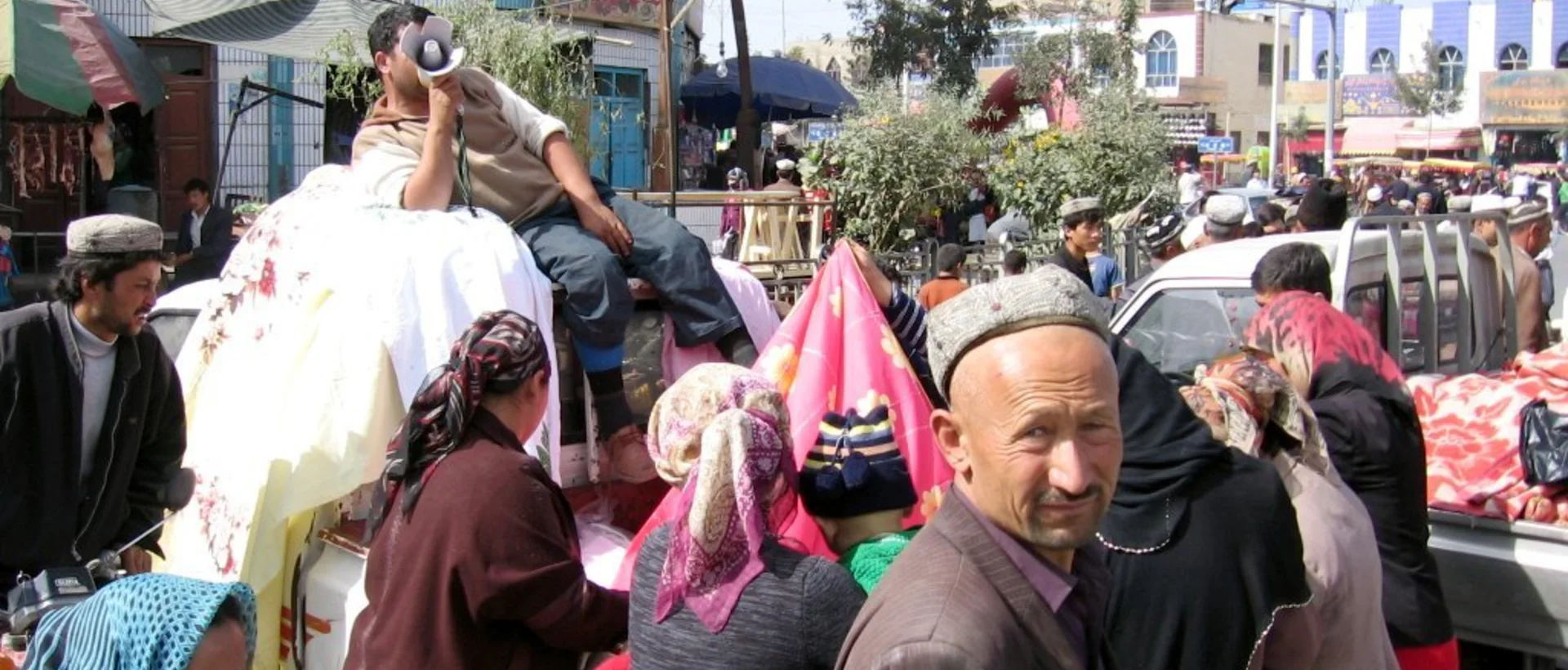
Quick Answer: One Night or Two?
One night can work when Hotan is a necessary stop in a longer route and the arrival is not late. Two nights is the stronger choice for most first-time visitors because it separates travel logistics from city time and leaves a real decision point before adding a remote extension.
| Time in Hotan | What it can support | What to avoid |
|---|---|---|
| One night | A gentle arrival, a short city window and a confirmed onward departure. | Combining a long arrival, a remote excursion and a major onward transfer in one day. |
| Two nights | One city-paced day, a market visit when operating conditions suit, and a calmer decision about a farther extension. | Assuming that every market, museum or outlying site has a fixed visitor schedule. |
| Three or more nights | A considered regional extension with a full buffer before the next long road or rail segment. | Using the extra time only to stack unrelated sightseeing stops. |
Let Hotan Be a City Stay, Not Just a Transfer
On a long South Xinjiang itinerary, it is tempting to arrive, look for one quick sight and leave early the next morning. That approach misses the practical value of the city. A protected afternoon or full day gives travelers time to settle in, explore on foot at their own pace, have a relaxed meal and reconfirm the next transport or road arrangement while they still have options.
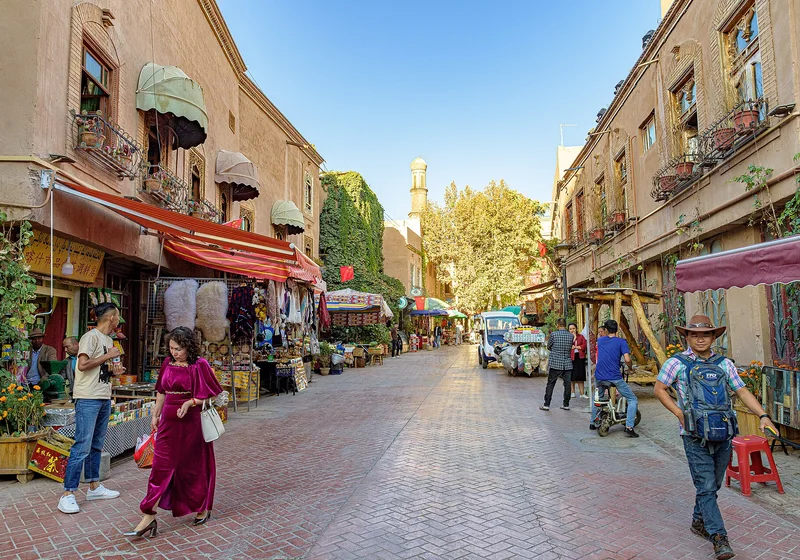
Use that city window for atmosphere rather than a rigid checklist. Market areas and everyday streets can be more memorable when the group is not watching the clock. Opening patterns, access arrangements and local activity can change, so build the day around a flexible sequence instead of promising a specific market day or an exact order of stops.
Plan Market Time With Flexibility
Markets are part of why Hotan feels different from a heritage-only stop. They are also working places, not a stage set for a tight itinerary. Go with enough time to browse, pause and move on if a lane is busy or a section is not operating as expected. A guide or driver can help confirm the day’s practical conditions, but the route should still work if the market visit is shorter than planned.
Keep purchases modest and easy to carry if a long road or rail segment follows. The better goal is to leave Hotan with a sense of the city’s pace, not with luggage that complicates the next transfer.
Should You Add Niya Ruins?
The Niya Ruins are best treated as a separate archaeological-landscape extension, not as an automatic half-day add-on from Hotan. The question is less whether the name fits a Silk Road list and more whether your available days, current access conditions, vehicle plan and tolerance for a remote outing support it.
Only add the extension after confirming the current visitor rules, route conditions, required arrangements and the time needed to return safely. Protect the following day as well. A remote archaeological visit should not be placed immediately before an important flight, a long onward transfer or the group’s only chance to experience Hotan itself.
How Hotan Fits the South Xinjiang Route
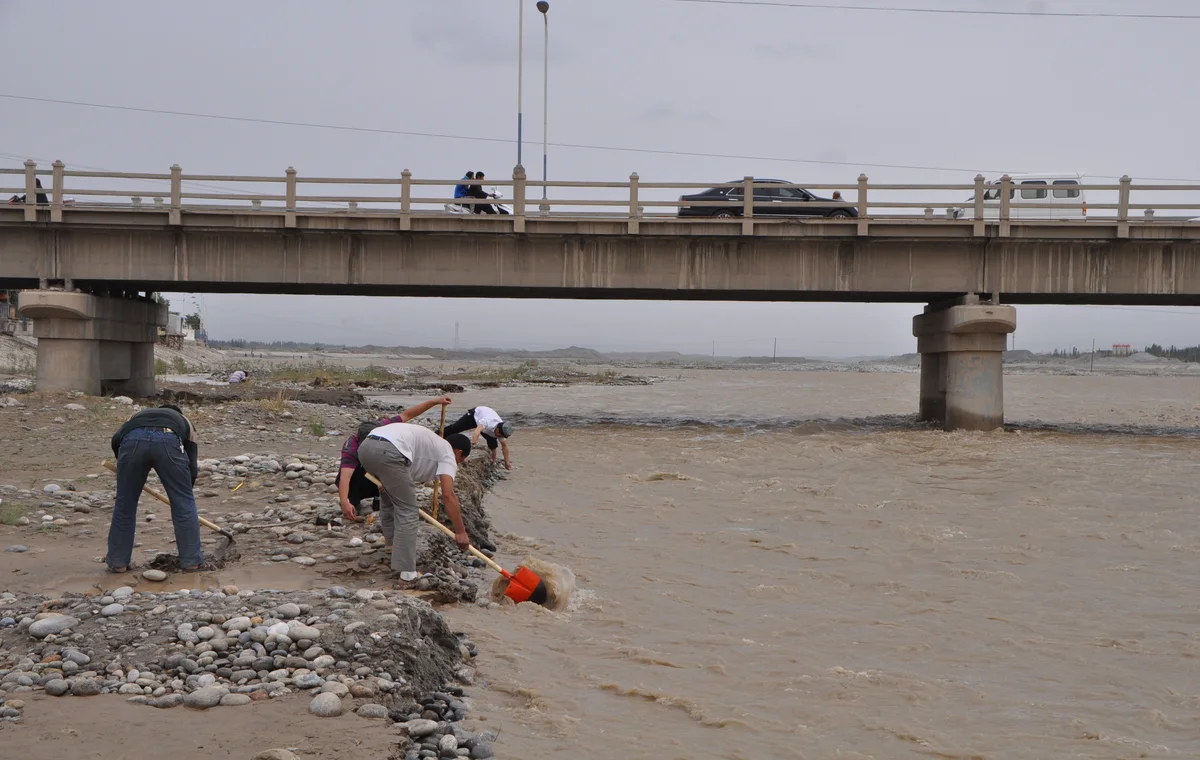
Hotan works as a meaningful midpoint in a longer overland corridor, but its place depends on which section of the journey matters most. Travelers coming from the Kuqa side should protect the transfer and avoid arriving with a sightseeing deadline. The Kuqa and Tarim Basin hub and the Kuqa heritage-and-canyon guide help keep that western-to-southern sequence realistic.
Travelers continuing to Kashgar should leave room for the city rather than treating it as a late-night hotel change. If the Pamir road and Karakul Lake are a priority, make that a separate highland decision after a settled Kashgar stay. The Kashgar and Karakul Lake planning guide explains why the mountain road needs its own buffer.
What to Recheck Before You Commit
- Confirm current arrival and departure transport, hotel availability and luggage arrangements for the exact dates.
- Ask for a current check of any remote route, site access or documentation requirement before putting it into the itinerary.
- Keep passports and required travel documents accessible at every accommodation and transport change.
- Do not place a remote southern Tarim day immediately before a major onward connection.
Hotan adds depth to a South Xinjiang route when it is given a clear purpose: a city stay, a calmer market experience and a measured choice about whether to travel farther. For the wider north-versus-south route decision, see the Xinjiang route planning guide.
More Planning Links for This Guide
Related Tour Ideas
Tour pages that match the same city, topic, or planning intent.



Destination Planning Links
City and destination-topic pages that help readers go deeper.
Related Travel Guides
Article links for the next planning question.
Topic Hubs
Topic pages that collect routes or guides around the same intent.


Plan a Trip from This Guide
Share your travel dates, group size, and the ideas you liked in this guide. We can turn them into a private China itinerary.