
A first-time Xinjiang route guide comparing North Xinjiang, South Xinjiang and longer combined itineraries, with practical advice on travel pace, seasonal priorities, road time and realistic route length.
Xinjiang planning works best when hotel area, transfer timing, meal stops, guide hours, and walking level are considered together.
The most important Xinjiang itinerary decision is not which attraction to see first. It is whether to travel in the north, the south, or give a longer trip enough time to include both. Xinjiang is vast. A route that looks like a few pins on a map can become a sequence of long transfers, hotel changes and weather-sensitive mountain days if it is not shaped carefully.
For a first visit, choose one strong regional story. Use this guide with the Xinjiang destination guide, the Kanas and Hemu route guide, and the Kashgar and Karakul Lake planning guide.
Quick Answer
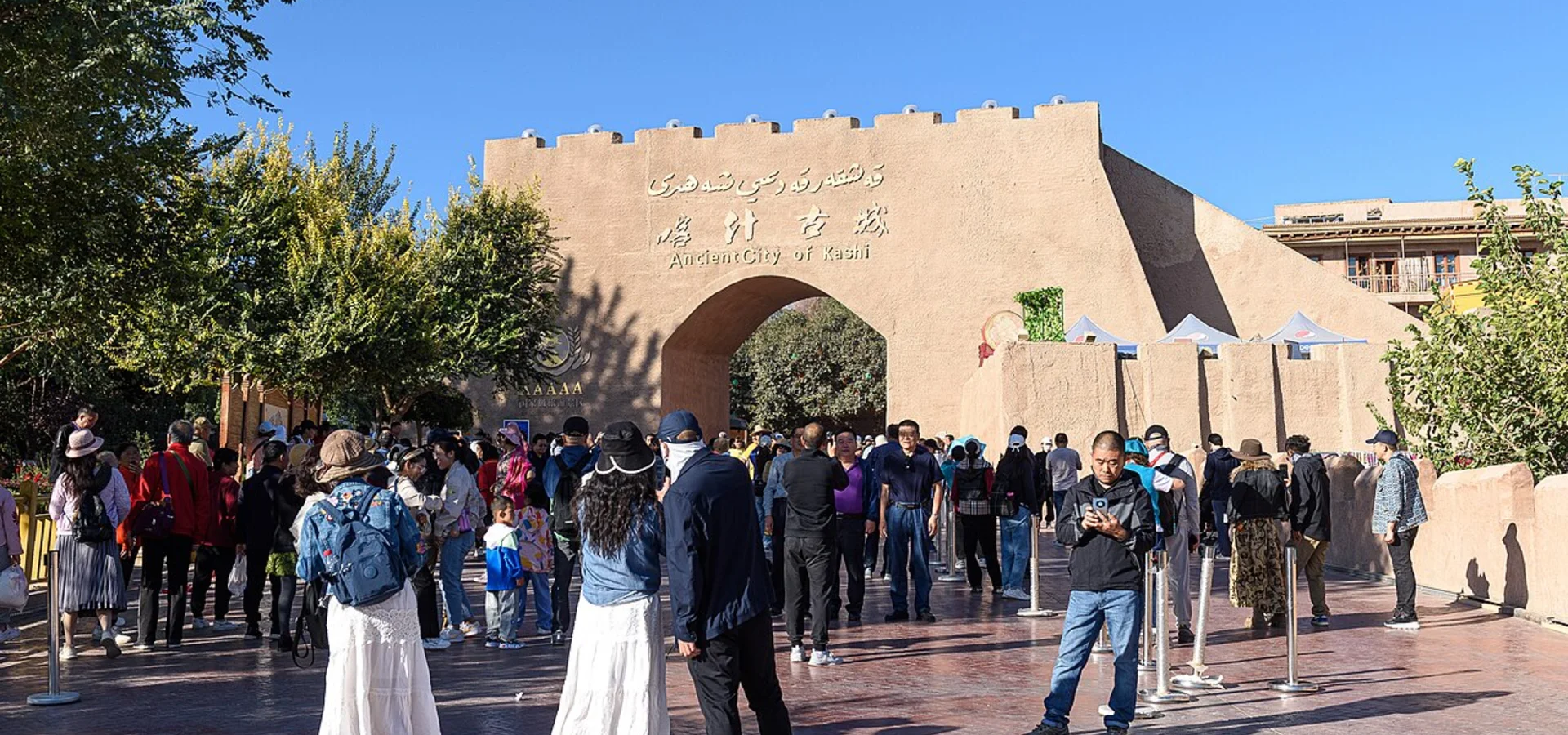
Choose North Xinjiang for Kanas, Hemu, Altay valleys, lakes and a landscape-led trip. Choose South Xinjiang for Kashgar, the Pamir road and a more cultural-and-highland sequence. Combine both only when the trip has enough nights to treat the connection as part of the journey rather than a rushed transfer.
| Route shape | Best for | What to protect |
|---|---|---|
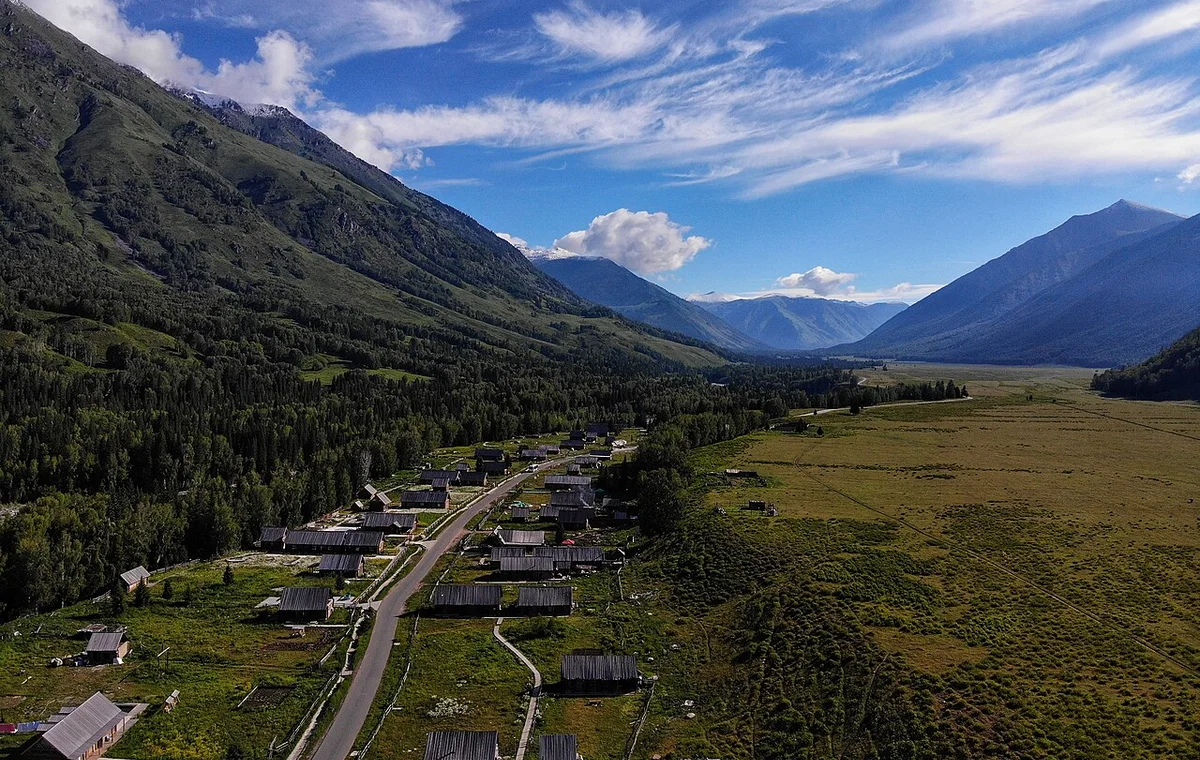
| North Xinjiang | Lakes, forested valleys, Hemu, Kanas and seasonal scenery. | Several scenic nights, road buffers and weather flexibility. |
| South Xinjiang | Kashgar, local atmosphere, mountain-road views and Karakul Lake. | A measured Kashgar stay, altitude-aware pacing and current access checks. |
| North and South | Returning visitors or travelers making Xinjiang the main focus of a longer China trip. | At least one real transition buffer; do not schedule the remote section immediately before a major departure. |
North Xinjiang: Choose It for Landscape and Seasonal Mood
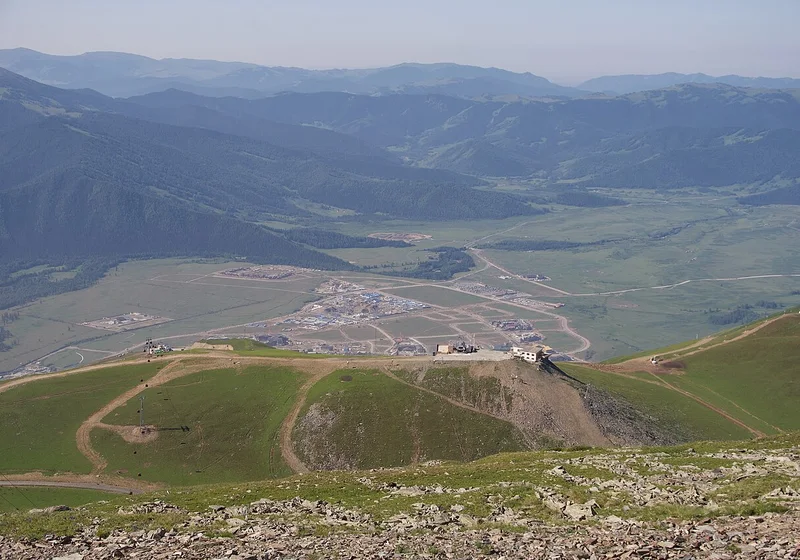
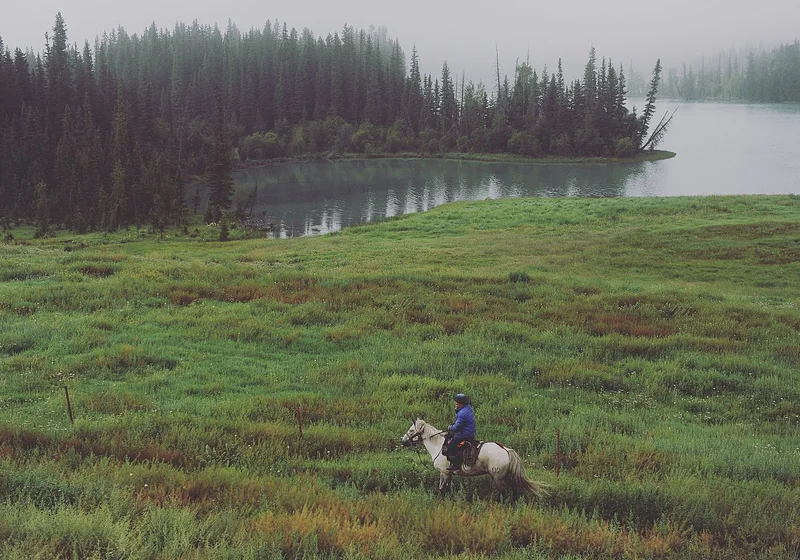
Northern Xinjiang is often the better fit when the trip is about lakes, wooded valleys, village scenery and open mountain country. Kanas and Hemu are the obvious anchors, but the experience is not a single viewpoint. The road into the region, the place you stay, the light, the weather and the amount of walking all change the feel of the trip.
Do not make a northern route too dense. A sensible plan lets one lake or village day remain flexible, avoids treating an early departure as a sightseeing day, and makes room for a slower meal or hotel arrival after a long drive. Travelers who prefer photography should be especially careful not to give themselves one unprotected chance at a weather-dependent view.
South Xinjiang: Choose It for Kashgar and the Pamir Road
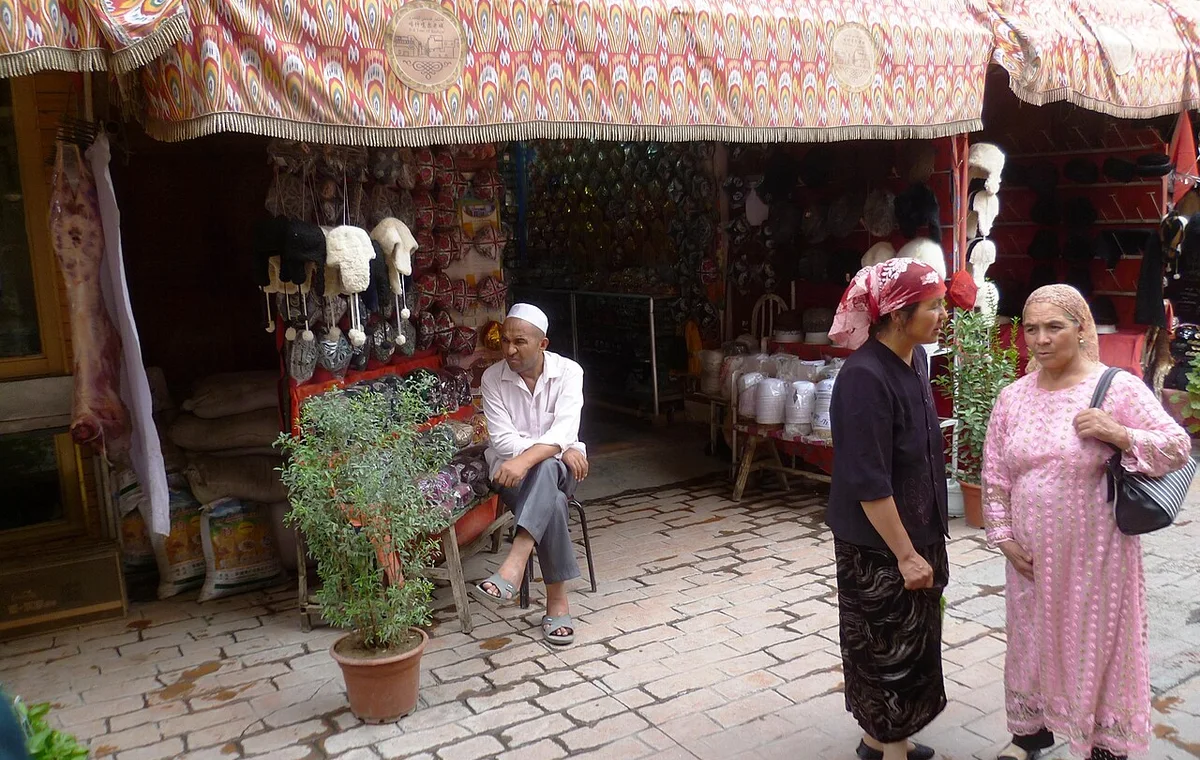
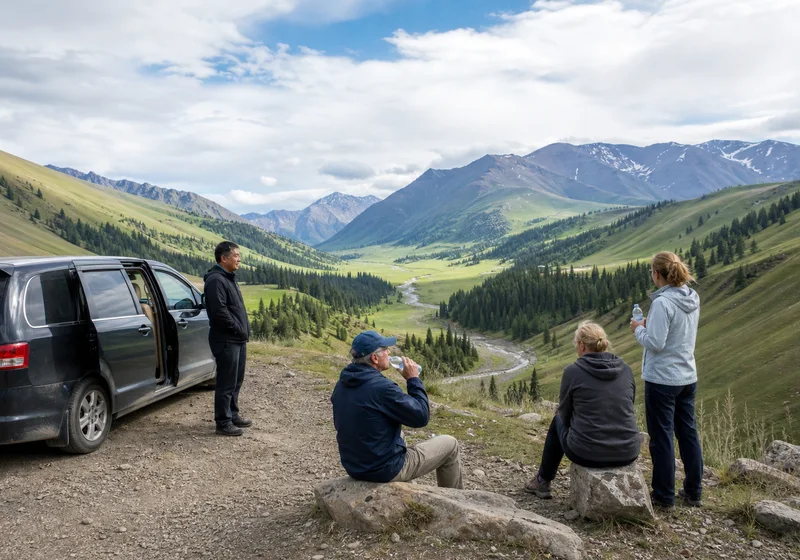
South Xinjiang has a different rhythm. Kashgar can provide the urban and cultural anchor, while the journey toward Karakul Lake shifts the trip into higher, more remote mountain scenery. The most common mistake is treating this as a single easy day trip with no recovery time. In reality, the road sequence, changing elevation, weather and local procedures all deserve space in the plan.
Build a real Kashgar day before the mountain section. That gives the group room to explore at a human pace, adjust to the route, and avoid using arrival or departure day as the only chance to experience the city. Then make the highland segment the priority rather than adding a long list of unrelated stops.
When a Combined Route Is Worth It
A combined route can be rewarding when Xinjiang is the main purpose of the trip and there are enough nights to keep north, south and the connection from competing with one another. It is not the right answer simply because both regions are famous. For many first-time visitors, one focused north or south route creates better memories and fewer exhausted hotel changes.
- Six to eight nights: usually keep the trip to one northern or southern story.
- Nine to eleven nights: add depth to one region rather than automatically combining both.
- Twelve nights or more: consider a north-and-south route only after transport and hotel sequence are checked for the actual travel dates.
Practical Checks Before Confirming
Do not rely on a generic itinerary for current travel operations. Recheck domestic transport, road conditions, hotel availability, ticketing and any local documentation or access procedures close to departure. Carry passports and the documents required for each hotel and transport segment. If a mountain road or remote area is central to the trip, do not place the only possible visit immediately before an onward flight or international connection.
The right Xinjiang route is the one with a clear focus and enough room to breathe. Choose north for a landscape journey, south for Kashgar and the Pamir direction, and both only when time supports the full distance.
Once you have chosen a region, compare the current Xinjiang small group tours before requesting a date-specific proposal.
More Planning Links for This Guide
Related Tour Ideas
Tour pages that match the same city, topic, or planning intent.



Destination Planning Links
City and destination-topic pages that help readers go deeper.
Related Travel Guides
Article links for the next planning question.
Topic Hubs
Topic pages that collect routes or guides around the same intent.


Plan a Trip from This Guide
Share your travel dates, group size, and the ideas you liked in this guide. We can turn them into a private China itinerary.