
Choose the right season for a Xinjiang trip by matching Kanas, Ili, Turpan or Kashgar with the scenery, weather tolerance, road flexibility and trip pace you want.
Xinjiang planning works best when hotel area, transfer timing, meal stops, guide hours, and walking level are considered together.
There is no single best month for every Xinjiang trip. Kanas and Hemu, the Ili Valley, Turpan and Kashgar sit in very different landscapes, and a good season for one can be a poor match for another. The useful question is not simply “When is Xinjiang at its best?” but “What do I want this trip to feel like?”
Use this guide to choose a season around scenery, comfort and flexibility. It works alongside the Xinjiang destination guide, the North versus South Xinjiang route choice, and the Xinjiang trip-planning hub.
Quick Answer: Match the Season to the Experience
| Your priority | Where to focus | What to plan around |
|---|---|---|
| Blossoms and a softer early-season landscape | Ili Valley, especially an apricot-blossom route | Bloom timing changes with weather. Keep dates flexible and reconfirm local conditions before committing. |
| Green valleys, grasslands and long scenic days | Northern Xinjiang and Ili | Warmer growing-season travel, with room for road changes, rain and slower mountain transfers. |
| Autumn color and landscape photography | Kanas, Hemu and the Altay direction | Seasonal color is short-lived. Build in a weather buffer rather than trying to predict one exact week. |
| Oasis history, food and drier landscapes | Turpan and the Urumqi-Turpan route | Heat and exposed walking shape the day. Earlier starts, water, shade and a midday break matter. |
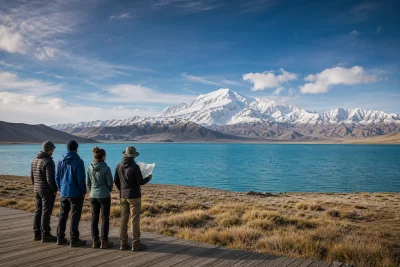
| Kashgar plus a highland road journey | Southern Xinjiang and the Pamir direction | Altitude, road weather and current local arrangements deserve more attention than a calendar label. |
Spring: Choose Ili for Blossoms, but Do Not Treat Nature as a Fixed Date
Spring is compelling for travelers who want the Ili Valley at a gentler, blossom-led moment rather than the peak green of summer. Apricot blossoms are often the visual focus, but they respond to that year’s temperature and weather. A route built around flowers should therefore have flexible sightseeing order and an honest expectation that the landscape, not a marketing calendar, decides the peak.
Spring is less about crossing all of Xinjiang and more about giving one region room to work. If a group also wants Kanas, Turpan and Kashgar, it is usually better to choose one dominant seasonal story first than to chase every famous image across long distances.
Warmer Green-Season Travel: Best for a Landscape-First Northern Route
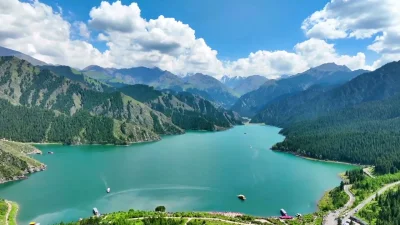
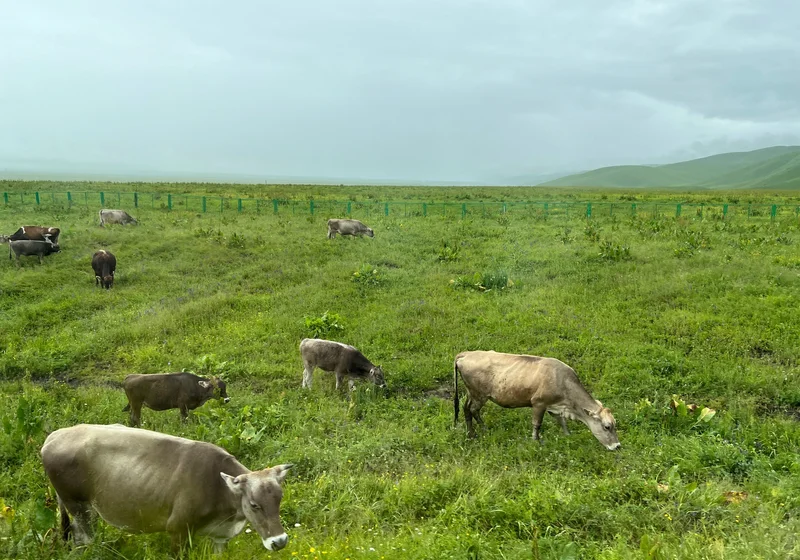
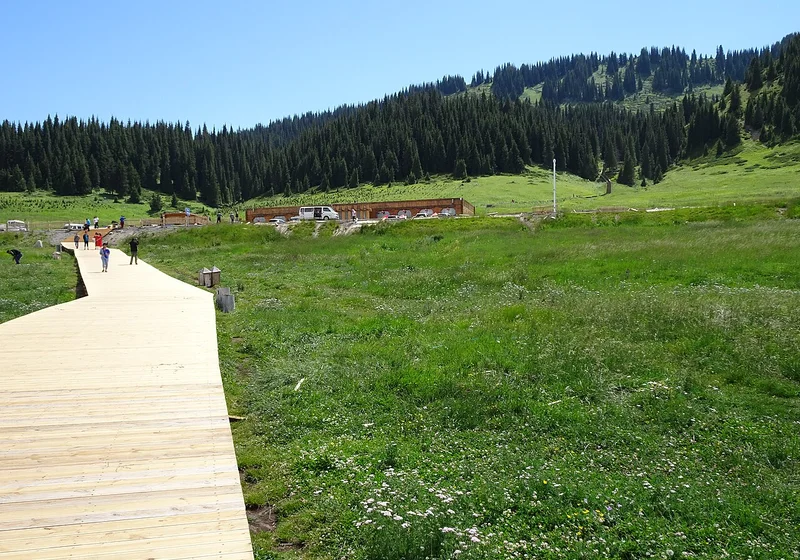
When the priority is meadow scenery, open valleys, lakes and village pace, a warmer part of the year is usually the natural fit for northern Xinjiang. This is the right mindset for a Kanas and Hemu journey: allow several nights, accept that scenic roads are part of the experience, and leave enough flexibility for changing light and weather.
For that route shape, use the Kanas and Hemu planning guide rather than treating the area as a single attraction. Northern scenery is strongest when the itinerary protects time to stop, walk and adjust rather than treating every transfer as a race.
Autumn: Choose Kanas and Hemu for Color, Then Protect a Buffer
Autumn is the logical season for travelers whose main aim is foliage, crisp landscape photography and the contrast of forest, meadow and village scenery around Kanas and Hemu. It is not a promise that every day will be clear or that the colors will peak on a particular date. A strong plan uses a flexible overnight sequence and does not place a weather-sensitive northern section immediately before an international flight.
That distinction matters. Travelers who want an autumn photograph often make the mistake of reducing Kanas and Hemu to one fast viewpoint. The better experience is a paced Northern Xinjiang route with room for the scenery to change through the day.
Turpan: Plan the Day Around Heat and Shade, Not Only the Season Name
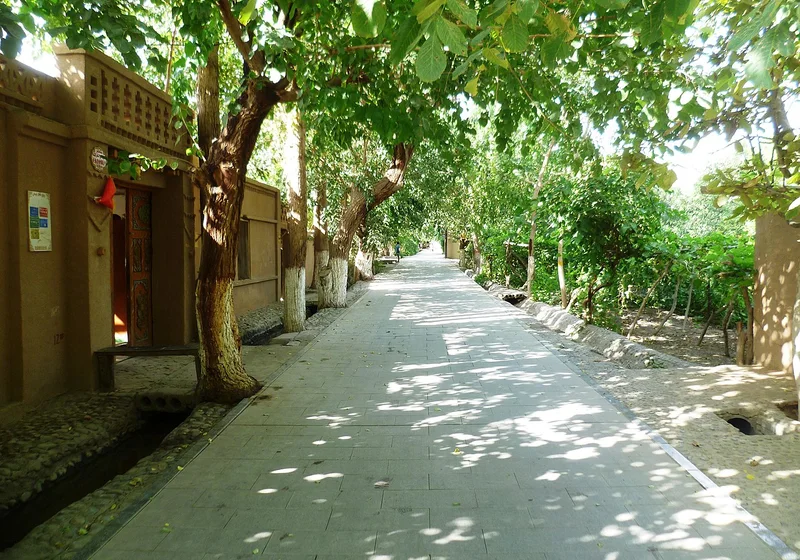
Turpan can work as a cultural and oasis-focused addition in more than one part of the year, but comfort depends heavily on the day’s heat and exposure. Ancient-city ruins, grape areas and the dry basin reward travelers who start early, use shade intelligently and avoid turning the hottest hours into a long outdoor checklist.
A four- or five-day Urumqi and Turpan route works well when it makes space for one main heritage stop and one oasis or local-life experience. It should not promise that every ruin, museum and scenic site will be comfortable on the same day.
Kashgar and the Pamir Direction: Let Road and Altitude Lead the Decision
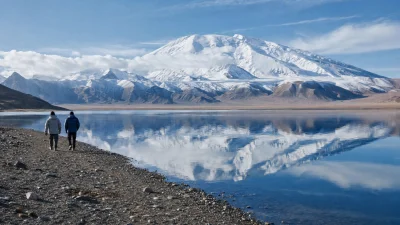
Kashgar can anchor a southern Xinjiang route in several seasons, while the road toward Karakul Lake and the Pamir area needs a more conservative decision. High altitude, changing weather, road conditions and current local procedures all affect the real experience. Calendar advice is helpful only when it is paired with a close-to-departure recheck.
Choose this direction when you want a cultural city stay followed by mountain scale, not when you need a rigid same-day excursion. The Kashgar and Karakul Lake planning guide explains the pacing and buffer that make that combination more comfortable.
Winter: A Different Xinjiang, Not an Off-Season Shortcut
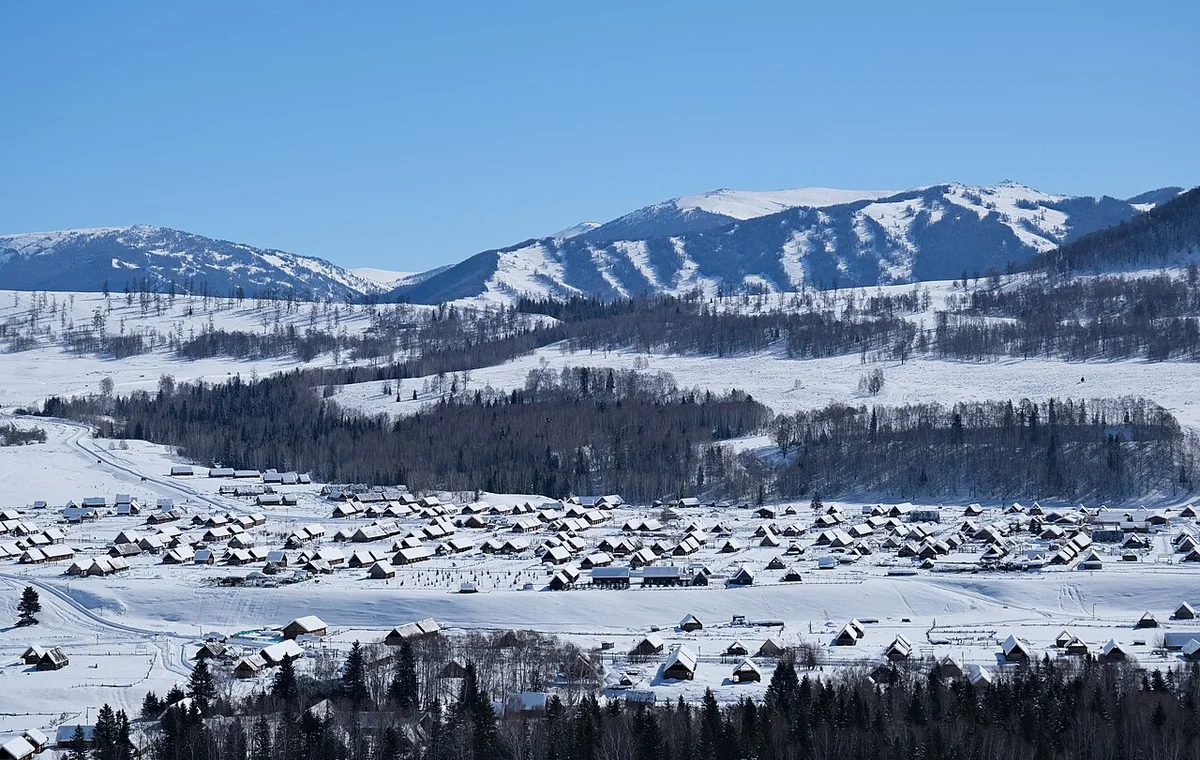
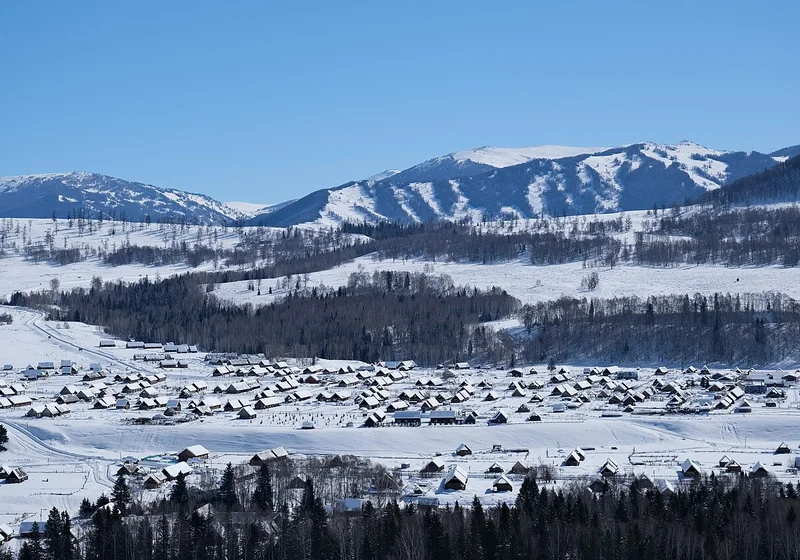
Winter can suit travelers who actively want snow, quieter scenery and a more seasonal northern atmosphere. It is not automatically a lower-effort version of a summer route. Roads, access, hotel supply, vehicle needs and daylight all require an explicit current check. Build the route around what is operating well at the time, rather than trying to reproduce a warm-season itinerary unchanged.
A Practical Way to Choose
- Pick one primary landscape: blossom valley, green northern scenery, autumn Kanas, dry Turpan or Kashgar and the Pamir direction.
- Give that landscape the best part of the itinerary: do not reduce the main seasonal goal to a transit-day stop.
- Keep weather-sensitive days away from major departures: this matters most in mountain and remote-road sections.
- Reconfirm current arrangements: roads, transport, opening conditions and hotel operations can change with the season.
The best time to visit Xinjiang is the time that matches the trip you actually want. Choose a clear seasonal priority, keep the route geographically focused, and leave room for the conditions that make the region memorable in the first place. For broader landscape context, UNESCO’s Xinjiang Tianshan reference is a useful starting point.
When you have selected a travel window, compare Xinjiang small group tours to see which regional route shape suits the available time.
More Planning Links for This Guide
Related Tour Ideas
Tour pages that match the same city, topic, or planning intent.
Destination Planning Links
City and destination-topic pages that help readers go deeper.
Related Travel Guides
Article links for the next planning question.
Topic Hubs
Topic pages that collect routes or guides around the same intent.



Plan a Trip from This Guide
Share your travel dates, group size, and the ideas you liked in this guide. We can turn them into a private China itinerary.