
A practical Dali food guide for choosing Xizhou baba, rushan, erkuai, Bai-style meals and market snacks while fitting Old Town, Xizhou and Erhai into a relaxed Yunnan itinerary.
Use this guide as one planning layer, then match the route with travel dates, arrival city, hotel class, group size, and daily pace.
Dali food is most rewarding when it is treated as part of the day rather than a list to race through. The city and its surrounding villages give travelers several different food settings: a quick breakfast snack before an Old Town walk, a market-and-bakery pause in Xizhou, a slower Bai-style lunch, or a simple Yunnan dinner after time beside Erhai Lake. The right choice depends as much on your route, appetite and comfort as on the dish itself.
This guide focuses on what international visitors can realistically look for, where each experience fits, and how to keep food interesting without making a Dali day feel overplanned. It is not a restaurant ranking: individual stalls, menus, hygiene conditions and opening patterns can change, so use current local advice when you are on the ground.
Quick answer: start with a snack, then choose one proper local meal
For most first visits, try one freshly made snack such as Xizhou baba or grilled erkuai, then protect one seated meal that matches the group. A Bai-style meal may suit travelers who want a shared-table experience; noodles or a lighter Yunnan dish can be the better fit on a hot day or before a long transfer. Add rushan, often called milk fan, when you are curious about a regional dairy specialty, but do not expect every traveler to love its distinctive texture.
The useful rule is simple: do not schedule a heavy meal before a mountain road, rail transfer or a full afternoon cycling around Erhai. Food is most enjoyable when it supports the route instead of slowing it down.
What makes Dali food different?
Dali sits within Yunnan's broad food landscape, but Bai culinary traditions give the area a distinct character. Fresh produce, herbs, sour notes, rice-based snacks, preserved ingredients and dairy specialties can all appear on a short stay. The result is more varied than a single "must-eat" list suggests: Old Town may offer convenient snacks and Yunnan dishes, while Xizhou and other village areas create a stronger connection between baking, markets and local daily life.
Use the Yunnan travel guide for the wider regional picture. Dali is not just a food stop between Kunming and Lijiang; it is often the place where a long Yunnan route can slow down enough for a market, village lunch or tea experience.
Xizhou baba: the best food stop for a village-oriented day
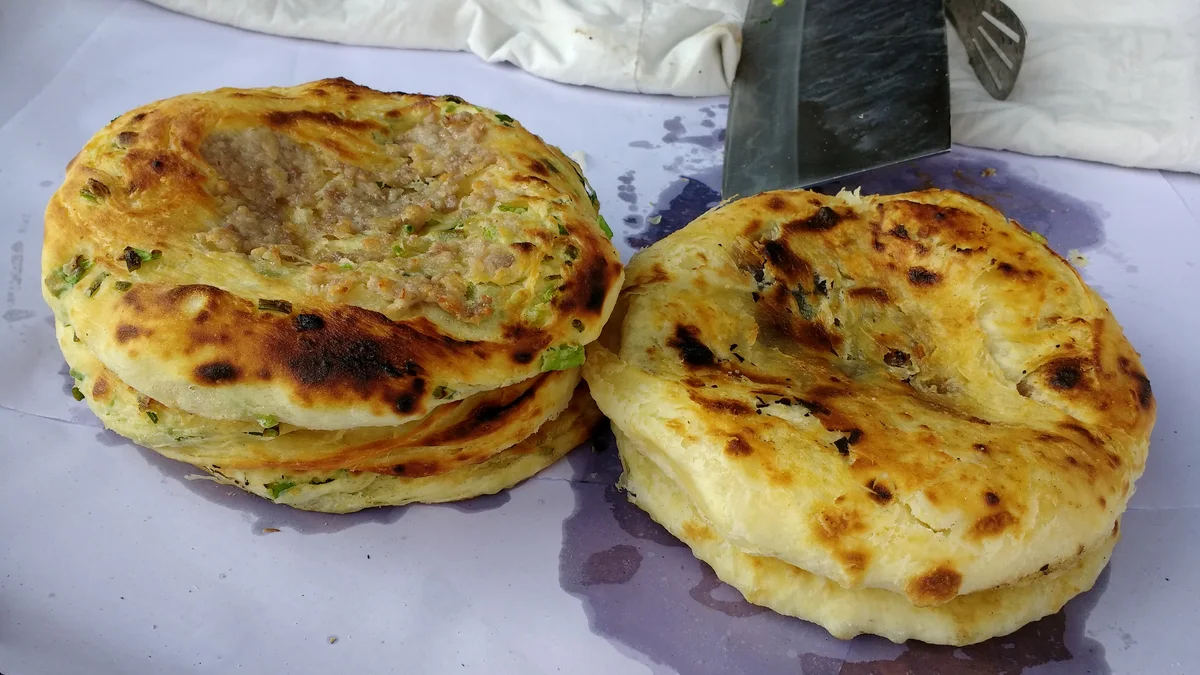
Xizhou baba is a round, baked wheat snack associated with Xizhou near Dali. It commonly appears in savory and sweet versions, and its appeal is as much about timing as ingredients: it works well when eaten warm during a morning or midday village stop. It is more satisfying as part of a real Xizhou visit than as a random takeaway after a rushed car ride.
Build it into a day that also has room for village lanes, Bai architecture, countryside or Erhai views. The snack can be a compact breakfast, a late-morning pause or a light bridge to lunch. If the group has a large restaurant meal planned soon after, share one first rather than turning it into a second full meal.
Rushan and erkuai: two easy ways into local flavors
Rushan is a thin dairy product associated with Bai cuisine. It may be grilled, fried, served sweet or used as part of a dish. Its flavor and texture are unusual for travelers who expect Chinese food to have little dairy, so it is a good item to share or try as a small snack before ordering more.
Erkuai is a rice-based cake that can be grilled, sliced, stir-fried or added to other preparations. A grilled version makes a useful street-food choice when the group wants something warm but not a full meal. Ask for the filling or sauce before ordering if you need to avoid meat, chili, dairy or a particular ingredient; the exact preparation can vary by stall.
Choose a proper meal by the kind of Dali day you have
| Your day | Food approach that usually fits | What to avoid |
|---|---|---|
| Old Town arrival or a gentle walking day | One snack, then a calm noodle or shared-dish meal near the hotel area | Chasing several distant food stops after a long arrival |
| Xizhou and Erhai countryside day | Warm baba or market snack, followed by a village or lakeside lunch chosen for the route | Assuming every rural meal is quick or suited to dietary needs without asking |
| Transfer day toward Lijiang or Kunming | Simple breakfast or early lunch close to the pickup route | A long multi-course meal that reduces station or hotel buffer |
| Mixed-age private group | Shared dishes with one mild option and clear pacing between stops | Making raw, very spicy or unfamiliar dishes an obligation for everyone |
Bai-style meals are better as a shared-table experience
A longer Dali meal can introduce fish, mushrooms, vegetables, preserved or pickled notes, and other Yunnan ingredients. Think of it as a shared-table experience rather than a checklist of named dishes. Ask the guide or server what is seasonal, how spicy the dishes are and whether the table can include a simple vegetable, egg or noodle option for travelers who prefer familiar textures.
Some traditional dishes use raw or lightly cooked ingredients. They are not required for an authentic Dali meal. Travelers who are pregnant, immunocompromised, have sensitive digestion or simply prefer cooked food should say so clearly and choose freshly cooked dishes served hot.
Markets are for discovery, not a pressure test
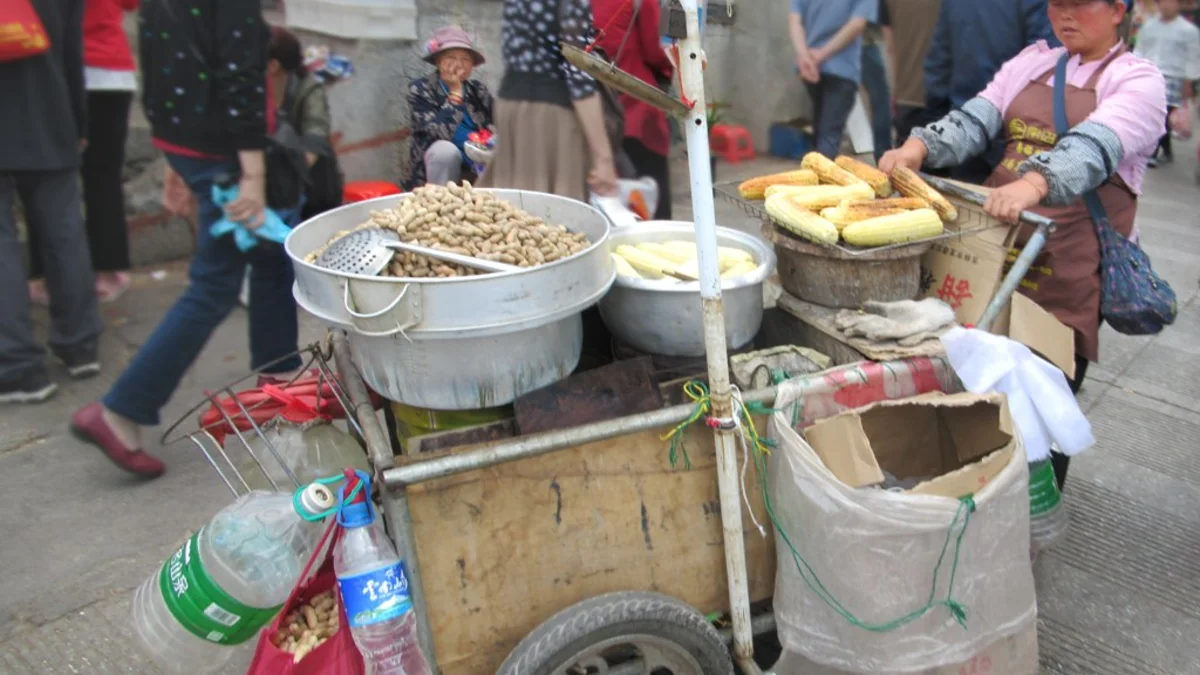
Dali markets can be visually rich: seasonal produce, herbs, tea, snacks and people doing their daily shopping. They are excellent for learning what the region grows and eats, but they do not need to become an all-day tasting challenge. Choose busy stalls, observe food handling, favor freshly cooked items when you are unsure, and carry water. If a market is crowded, use it as a short sensory stop and save the main meal for a calmer setting.
This is especially useful for families and mixed-age groups. One traveler may enjoy trying a new snack while another simply wants tea, fruit or a familiar lunch. A good private day gives both people a workable option.
Tea belongs in the food plan, but it is not another attraction to rush
Dali is closely associated with Bai cultural experiences, including Three-Course Tea. When it is offered in an appropriate setting, tea can make a thoughtful late-afternoon pause or cultural addition to a village day. Treat it as a slower experience rather than a compulsory performance between two major sights. Availability and format vary, so confirm what the actual stop includes before building the day around it.
How food fits into a first Dali itinerary
For a shorter route, place food around the itinerary you already need. An Old Town arrival can support a simple dinner near the hotel. A full Dali day can connect a warm snack in Xizhou with countryside or Erhai time and one seated meal. The Yunnan old towns and scenic routes guide and Dali or Lijiang extra-day guide help decide whether Dali deserves that slower day in the first place.
For a longer route, food becomes a useful way to break up transfers. Read the Yunnan route-planning guide before adding more stops, and use the Yunnan departure-day guide to keep a final Dali meal compatible with the actual station or airport plan.
Final planning checklist
- Choose one warm snack and one proper meal instead of trying every famous item.
- Put Xizhou baba into a village or countryside day, not a rushed detour.
- Tell the guide or server about allergies, dietary restrictions and spice tolerance before ordering.
- Choose fully cooked food when your health needs or comfort level call for it.
- Protect rail, airport and hotel-transfer buffers; no meal is worth a stressful departure.
Dali food is at its best when it adds texture to a well-paced Yunnan trip: a warm bakery snack, a market scene, a shared lunch and enough time to remember the place around the plate.
More Planning Links for This Guide
Related Tour Ideas
Tour pages that match the same city, topic, or planning intent.



Destination Planning Links
City and destination-topic pages that help readers go deeper.


Related Travel Guides
Article links for the next planning question.
Topic Hubs
Topic pages that collect routes or guides around the same intent.


Plan a Trip from This Guide
Share your travel dates, group size, and the ideas you liked in this guide. We can turn them into a private China itinerary.