
A practical Xi'an food guide for first-time visitors, covering what to order beyond the Muslim Quarter and how to fit local meals around a private sightseeing itinerary.
Xi'an planning works best when hotel area, transfer timing, meal stops, guide hours, and walking level are considered together.
Xi'an is easy to reduce to one food street and a long list of snacks. That is not the most satisfying way to eat here. The Muslim Quarter can be a lively first evening, but a well-planned Xi'an trip also leaves room for a relaxed noodle lunch, a local Shaanxi-style dinner and meals that fit the pace of the Terracotta Warriors, the City Wall and museum visits.
This guide is about planning, not chasing a fixed restaurant list. Shops move, queues change and individual dietary needs matter. Use it with the Xi'an Muslim Quarter food and evening walk guide, the Xi'an destination guide and the Xi'an Terracotta Warriors and City Wall private tour to build meals into a realistic city itinerary.
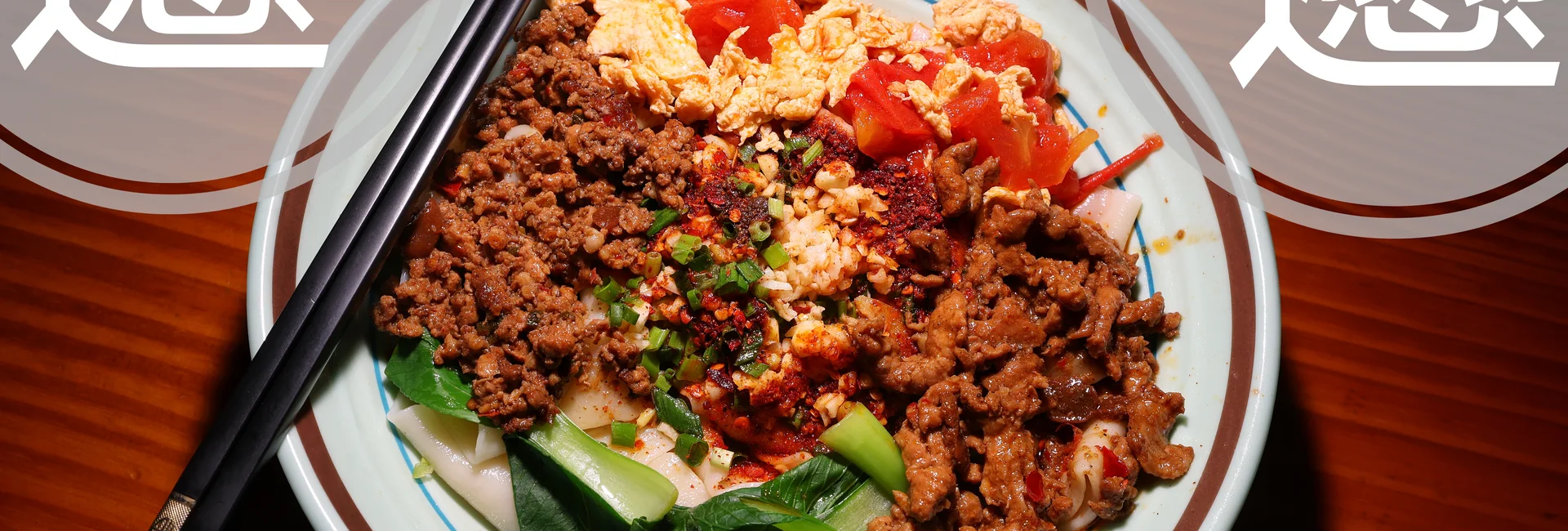
Quick Food Strategy for a First Xi'an Visit
| Moment in the trip | Best food choice | Why it works |
|---|---|---|
| Arrival evening | Short snack walk or a simple local dinner | Keep the first night flexible after flights, trains and hotel check-in. |
| Full city sightseeing day | Noodles, liangpi or a seated Shaanxi lunch | It is easier to time than a long queue-driven evening market meal. |
| Terracotta Warriors day | Plan the main meal around the return to the city | It avoids turning a longer excursion into a rushed snack stop. |
| Final evening | Paomo, dumplings or a shared local-dishes dinner | Choose the meal for the group rather than repeating the same street-food circuit. |
Five Xi'an Foods Worth Understanding
Roujiamo is a practical first snack: chopped braised meat inside baked flatbread. It travels well and can be useful when the group wants something quick, but it should not replace a proper meal on a long sightseeing day.
Liangpi is a cool wheat- or rice-based noodle dish with seasoning and a lighter feel than a hot bowl of noodles. It is often a sensible lunch choice in warm weather or between substantial meals.
Biangbiang noodles are broad hand-pulled noodles associated with Shaanxi. They are more satisfying as a deliberate seated lunch or dinner than as an extra order after a heavy tasting walk.
Yangrou paomo is built around torn flatbread in a rich mutton soup. It can be a memorable meal, but it is filling and not an ideal choice immediately before a long walk, a late train or a packed evening plan.
Dumplings and Shaanxi-style shared dishes are useful when a mixed group wants a slower dinner with several choices. The Shaanxi provincial tourism dining pages describe local snacks, dishes and long-established restaurants; use them as background, then confirm a current venue and menu locally before committing to a specific reservation.
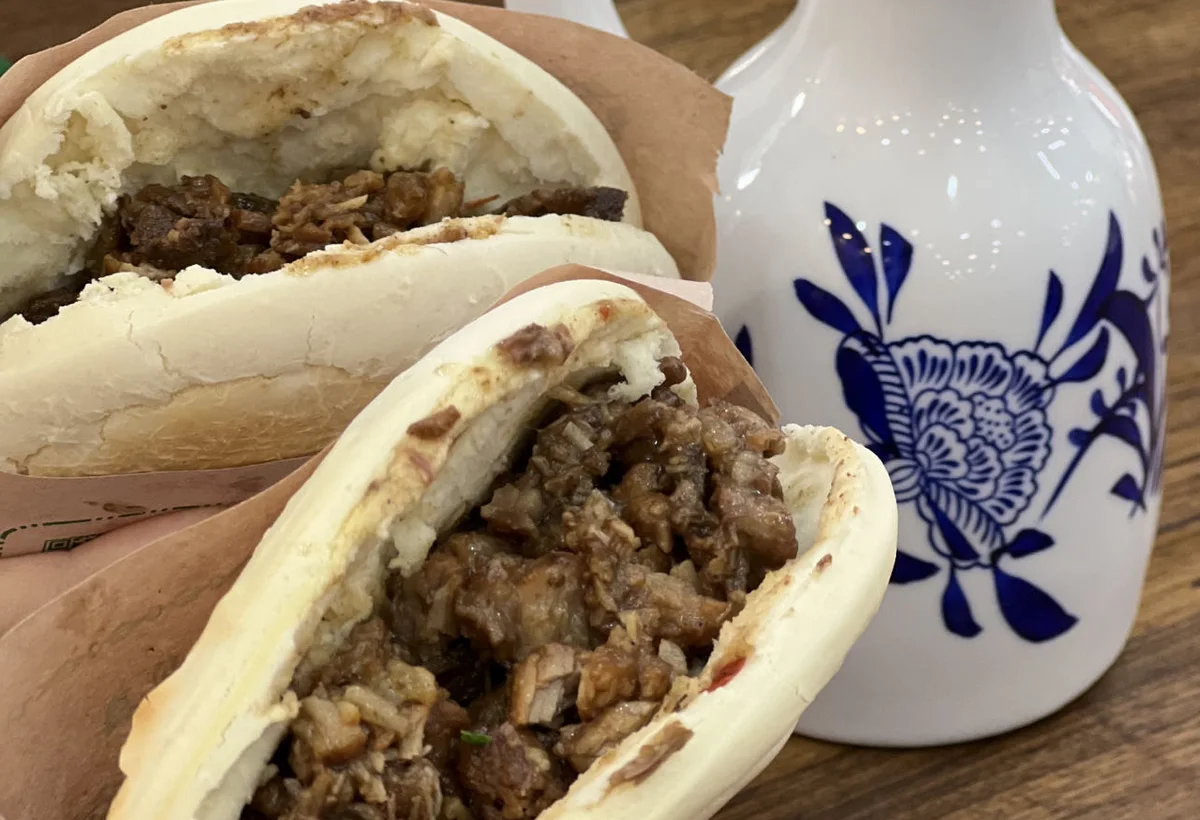
Do Not Make the Muslim Quarter Your Entire Food Plan
The Muslim Quarter is worth understanding as an evening atmosphere: lights, movement, snacks and a compact introduction to the old-city experience. It is not the only place to eat Xi'an food, and it is not automatically the best fit for every meal. A first-time visitor often enjoys it more after the main sightseeing is finished, with a clear time limit and a willingness to choose only a few things.
For a broader food picture, add one ordinary local meal elsewhere in the city. That can be a noodle lunch near the day's sightseeing area, a more settled Shaanxi dinner, or a meal chosen around the hotel. The result is less repetitive, easier on the schedule and more useful for travelers who prefer sitting down to eating while walking.
How Food Fits a Private Xi'an Itinerary
Food planning is most useful when it protects the day rather than interrupts it. On a Terracotta Warriors excursion, do not assume a famous city-center snack will fit naturally between hotel pickup, the museum visit and the return. On an old-city day, leave enough time after the City Wall or museum for a proper meal instead of adding three food districts to the route.
Tell your planner about spice tolerance, vegetarian needs, halal requirements, allergies and whether the group prefers quick snacks or sit-down meals. These details affect restaurant choice, driving order and how much time should be left in the evening. The China meals and dietary needs guide explains how to make those requests clearly before the trip is confirmed.
Dietary and Pace Notes
- Halal: ask for a clearly suitable restaurant rather than relying on a broad neighborhood label; separate kitchens and menus can vary.
- Vegetarian: explain whether eggs, dairy, stock and shared cooking surfaces are acceptable. A noodle or vegetable dish is not automatically vegetarian.
- Spice: request a mild version before ordering, then add chili separately where possible.
- Families and seniors: use seated meals, shorter food walks and a clear return point instead of a late, crowded tasting circuit.
- Train or flight days: choose a dependable, timed meal near the hotel or departure route instead of a final food detour.
Use Food to Make the Route Better
The strongest Xi'an food plan has contrast: one evening with the energy of the Muslim Quarter, one meal centered on noodles or paomo, and one comfortable sit-down dinner that fits the group's pace. That approach gives first-time visitors more of the city without turning every meal into another attraction queue.
For current background on local dishes and snacks, see the Shaanxi provincial tourism dining information. Confirm live restaurant details, operating arrangements and dietary suitability when your itinerary is being finalized.
More Planning Links for This Guide
Related Tour Ideas
Tour pages that match the same city, topic, or planning intent.



Destination Planning Links
City and destination-topic pages that help readers go deeper.


Related Travel Guides
Article links for the next planning question.



Topic Hubs
Topic pages that collect routes or guides around the same intent.


Plan a Trip from This Guide
Share your travel dates, group size, and the ideas you liked in this guide. We can turn them into a private China itinerary.