
Compare Zhangjiajie and Guilin by scenery, walking demand, trip length, weather flexibility and route fit before choosing a nature-focused China extension.
Use this guide as one planning layer, then match the route with travel dates, arrival city, hotel class, group size, and daily pace.
Zhangjiajie and Guilin are both strong choices for a scenery-focused extension to a first China trip, but they create very different travel days. Zhangjiajie is about vertical sandstone peaks, high viewpoints and repeated movement through a large mountain landscape. Guilin is a broader regional journey built around karst hills, the Li River, Yangshuo countryside and, when time allows, Longji Rice Terraces.
The useful question is not which destination is more famous. It is which one fits your available nights, walking comfort, weather tolerance and the cities before and after it. This guide gives a direct answer, then shows where the choice can change for families, senior travelers, photographers and travelers planning a private route.
Quick answer: choose by the kind of day you want
Choose Zhangjiajie when dramatic mountain scale is the main reason for adding a nature destination, and the group is comfortable with viewpoints, stairs, shuttle changes, lifts or cableways and weather-dependent visibility. Choose Guilin when you want river scenery, countryside, villages and a more varied mix of active and gentle experiences.
Neither destination is automatically easy or difficult. Zhangjiajie can be adapted with mechanical transport and selective viewpoints, while Guilin can become demanding when cycling, terrace walking and frequent hotel changes are added. The right comparison is between two actual itineraries, not two destination names.
| Decision factor | Zhangjiajie | Guilin and Yangshuo |
|---|---|---|
| Signature landscape | Narrow sandstone pillars, ravines and elevated viewpoints | Karst hills, river corridors, countryside and rice terraces |
| Typical day rhythm | Mountain transport, walking sections, viewpoints and queues | River or road movement, village stops and optional outdoor activity |
| Best reason to choose it | You want one highly distinctive mountain experience | You want landscape variety and a softer regional journey |
| Main planning risk | Trying to combine too many separate scenic areas in too little time | Treating Guilin, Yangshuo and Longji as if they were one compact stop |
| Weather strategy | Protect the main pillar-view day and keep an adjustable sequence | Keep river, countryside and terrace elements flexible |
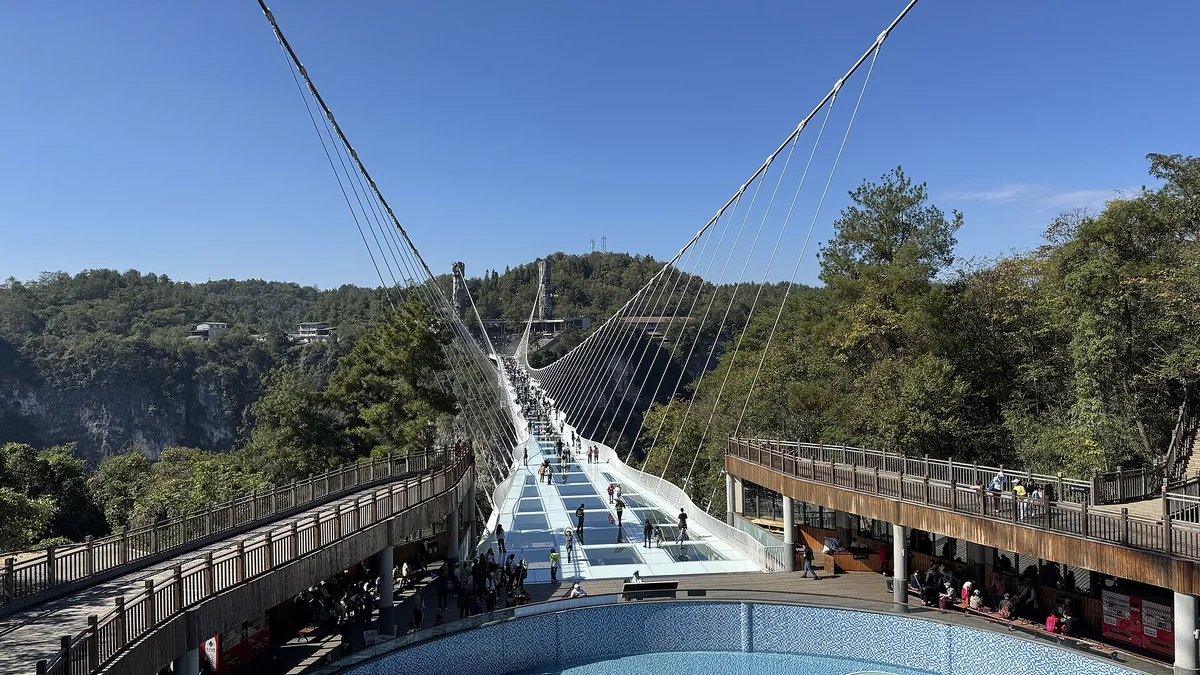
Choose Zhangjiajie for vertical scale and a focused mountain experience
Wulingyuan's landscape is unusually concentrated. UNESCO describes an area dominated by more than 3,000 narrow sandstone pillars and peaks, many over 200 meters high. The visual experience is vertical: peaks rise through forest, paths connect viewing areas, and cloud can reveal or hide entire layers of the landscape.
That scale is Zhangjiajie's strongest advantage. A traveler who already has historic cities, food and urban culture elsewhere in the itinerary can add a nature stop that feels completely different. Use the Zhangjiajie destination guide to understand the region, then compare the National Forest Park, Tianmen Mountain and Grand Canyon choices before deciding how many areas belong in one stay.
Choose Guilin for a landscape journey with more variety
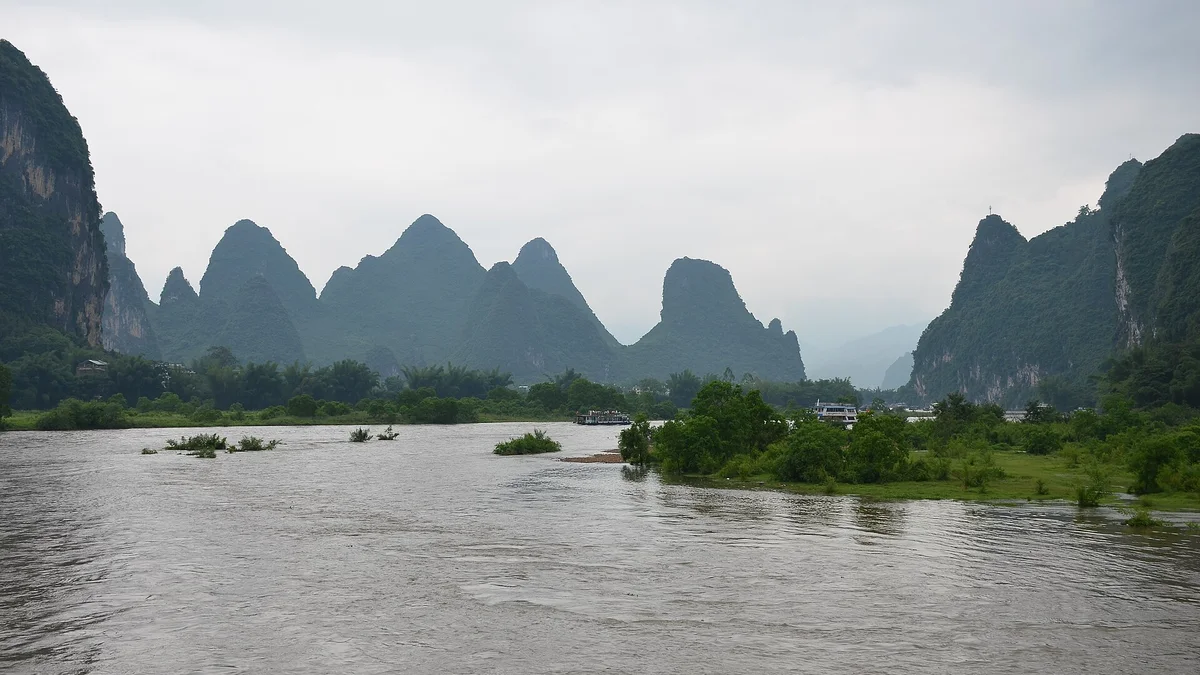
Guilin works differently because the destination is not only the city. A useful stay often connects Guilin with the Li River and Yangshuo, while a longer route may add Longji. UNESCO's South China Karst property identifies Guilin Karst as a major example of continental tower karst, but the travel experience includes more than geology: river movement, farming landscapes, small settlements and a choice between relaxed and active countryside time.
This makes Guilin easier to shape around different interests. One traveler can prioritize a river journey and comfortable viewpoints; another can add cycling, walking or terrace time. Start with the Guilin destination guide and the Li River, Yangshuo and Longji itinerary choice guide. A ready-made four-day framework is also available in the Guilin, Yangshuo and Longji private tour.
Walking and comfort: the simple stereotype is misleading
Zhangjiajie is often described as the more strenuous choice, but distance alone does not explain the day. Scenic transport can reduce some climbing, yet visitors still face walking, standing, changes between shuttles and lifts, stairs and possible queues. A selective plan with one coherent area can be better for a mixed-age group than a rushed plan that tries to collect every famous viewpoint.
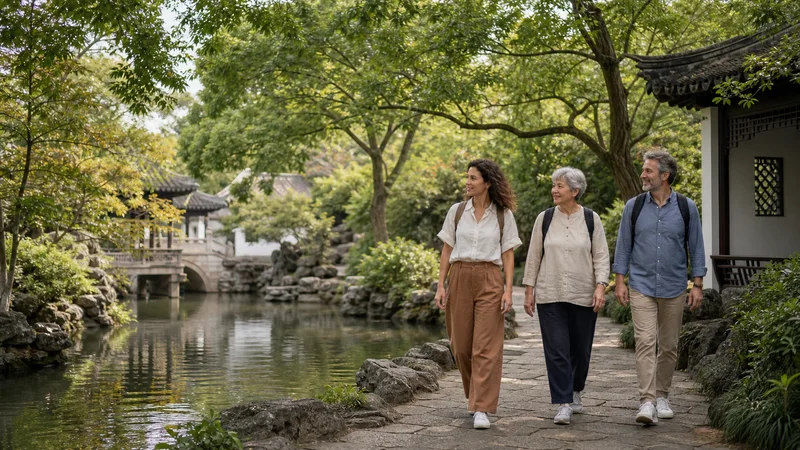
Guilin can feel gentler when the day centers on the river and a comfortable vehicle. It becomes more active when the plan adds Yangshuo cycling, village walks or Longji's slopes and steps. Travelers with mobility needs should compare the exact boarding, walking and hotel sequence in both destinations before deciding.
How many nights should you allow?
For Zhangjiajie, two full sightseeing days can cover a carefully selected mountain experience, but a third usable day creates room for another distinct area or a weather adjustment. An arrival afternoon and departure morning should not be counted as two complete scenic days.
For Guilin and Yangshuo, two full days are enough only when priorities are narrow. Three or four usable days create a stronger first visit, especially when river scenery, Yangshuo and Longji all matter. Longji adds a regional transfer and deserves its own pace rather than being attached to an already full day.
Weather changes the choice, but it should not control it
Mist can make Zhangjiajie's pillars atmospheric, but dense cloud can also remove the long views that justify the trip. Guilin's karst scenery can also look beautiful in soft weather, while heavy rain or changing river conditions may alter outdoor plans. No month guarantees the image a traveler has in mind.
Build flexibility into the order of activities and confirm current operating arrangements shortly before travel. Do not choose between the destinations using an old table of exact temperatures, fixed river conditions or guaranteed visibility.
Which destination fits different travelers?
- First-time visitors who want one unforgettable mountain image: Zhangjiajie usually has the clearer advantage.
- Families wanting several ways to experience scenery: Guilin often offers more route variety, but the final activity level still needs to be designed.
- Photographers: choose Zhangjiajie for layered pillars and changing cloud, or Guilin for river, karst and rural foregrounds. In either place, allow more than one weather window.
- Senior or mixed-mobility groups: compare the exact route. A selective Zhangjiajie day may work; a stair-heavy Longji plan may not.
- Travelers already visiting several intense sightseeing cities: Guilin can provide a softer change of pace.
- Travelers who dislike heights: Guilin may be the easier fit, although Zhangjiajie still has routes that do not depend on glass attractions.
Can you visit both?
Yes, but they should not be treated as neighboring stops. Visiting both makes sense when scenery is a central theme of a longer China trip and the route can absorb another intercity transfer without removing the time each destination needs. For a shorter first trip, choosing one usually produces a better itinerary than compressing both.
Compare current rail and flight options against your real preceding and following cities. The right answer can change depending on whether the route continues to Shanghai, Guangzhou, Chengdu or another region.
Final decision
Choose Zhangjiajie when you want a concentrated, dramatic mountain destination and are willing to organize the stay around scenic access, weather and physical transitions. Choose Guilin when you want a more varied landscape journey with river scenery, countryside and several possible activity levels.
For reliable landscape background, review UNESCO's Wulingyuan and South China Karst references. For the actual trip, send your dates, hotel plan, group size and walking needs so the comparison is based on two workable routes rather than two lists of attractions.
More Planning Links for This Guide
Related Tour Ideas
Tour pages that match the same city, topic, or planning intent.

Destination Planning Links
City and destination-topic pages that help readers go deeper.


Related Travel Guides
Article links for the next planning question.
Topic Hubs
Topic pages that collect routes or guides around the same intent.


Plan a Trip from This Guide
Share your travel dates, group size, and the ideas you liked in this guide. We can turn them into a private China itinerary.