
A practical Chengdu planning guide for first-time visitors, covering the panda base, Wuhou Shrine, Jinli, People’s Park teahouses, Kuanzhai Alley, Chunxi Road, food, and relaxed private-tour pacing.
Chengdu planning works best when hotel area, transfer timing, meal stops, guide hours, and walking level are considered together.
Chengdu is often described by pandas and hotpot, but the best private-tour day is not only a list of famous names. A good Chengdu day needs a soft rhythm: one clear morning anchor, one cultural or neighborhood layer, a real meal plan, and enough time to enjoy the city's slower local life.
This guide is written for first-time visitors deciding how to combine the Chengdu Research Base of Giant Panda Breeding, Wuhou Shrine, Jinli, People's Park teahouses, Kuanzhai Alley, Chunxi Road, Taikoo Li, and Sichuan food without making the day feel rushed. Use it with the Chengdu travel guide, the Chengdu attractions guide, and the Chengdu Panda Base and food day plan.
Quick answer: start with pandas, then slow down
For most first-time private tours, the strongest Chengdu structure is simple: visit the panda base in the morning, keep lunch unhurried, then choose one or two softer city stops. Wuhou Shrine and Jinli work well for culture and old-street atmosphere. People's Park or a teahouse gives the day a local-life pause. Kuanzhai Alley, Chunxi Road, or Taikoo Li can fit as a lighter late-afternoon or evening layer.
The mistake is trying to make Chengdu behave like a compressed museum checklist. The city is more enjoyable when visitors have time to sit, taste, walk, and recover between transfers.
Build the day around one anchor
The Chengdu Research Base of Giant Panda Breeding is usually the natural morning anchor. It is popular, it involves walking, and it works better when the group is fresh. The official Chengdu Research Base of Giant Panda Breeding site is the right place to check current visitor-service and ticket information before finalizing the day.
After the panda base, avoid forcing several heavy attractions into the same afternoon. A private guide can help with timing, but the day still needs meal time, traffic buffer, bathroom stops, and a realistic energy level, especially for families or older travelers.
Best Chengdu sight combinations
| Combination | Best for | Planning note |
|---|---|---|
| Panda Base + People's Park teahouse | Families, seniors, relaxed first-time visitors | Good when the group wants Chengdu atmosphere without a heavy afternoon. |
| Panda Base + Wuhou Shrine + Jinli | Culture, Three Kingdoms history, snacks and evening lights | Keep the cultural explanation clear and avoid overloading the afternoon. |
| Panda Base + Kuanzhai Alley + hotpot dinner | Neighborhood walking and Sichuan food | Works best when travelers like lively streets and local dining. |
| Panda Base + Chunxi Road / Taikoo Li | Shopping, central hotel stays, independent evening time | Good for a lighter city finish after a guided morning. |
Wuhou Shrine and Jinli
Wuhou Shrine Museum adds historical context to Chengdu, especially for travelers interested in Three Kingdoms culture. The official Chengdu Wuhou Shrine Museum site should be checked for current opening, ticketing, exhibition, and notice information before final confirmation.
Jinli is nearby and works as a flexible old-street layer for snacks, shops, and atmosphere. It is not a substitute for a deep cultural site, but it can make the day more relaxed after the museum visit. For travelers who dislike crowds, keep Jinli short or replace it with a quieter teahouse stop.
People's Park and teahouse time
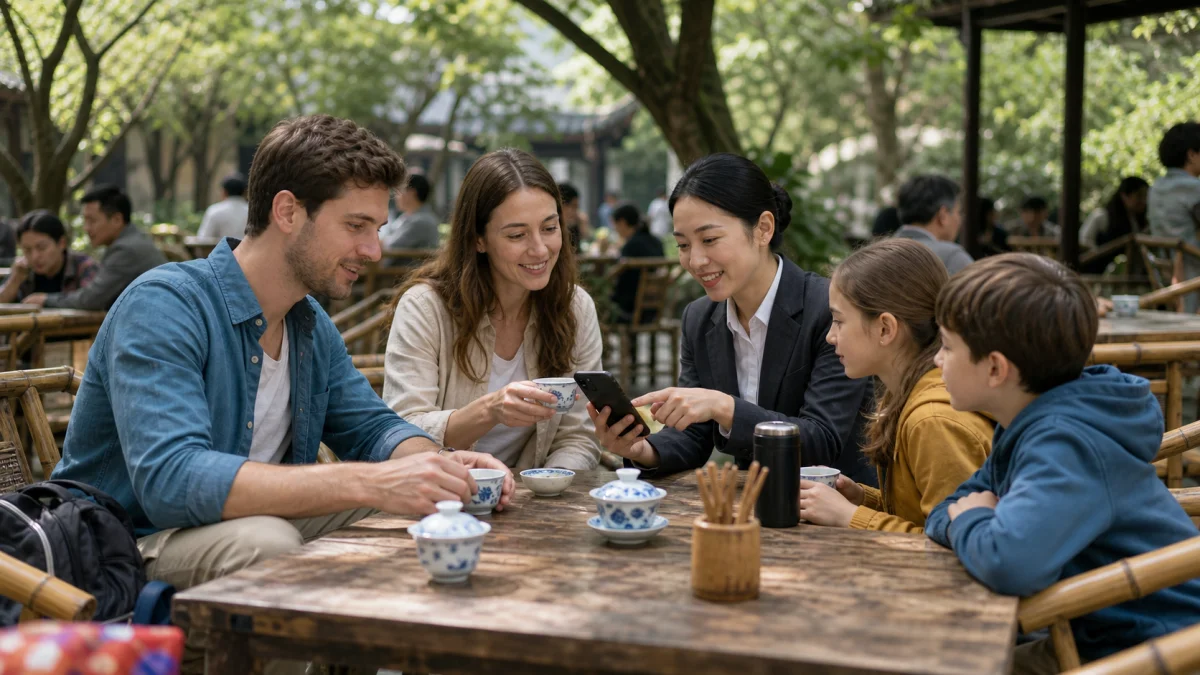
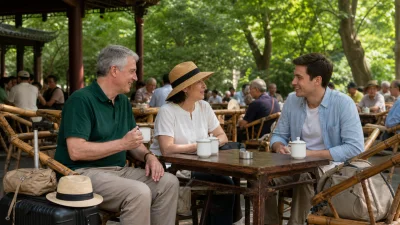
A Chengdu teahouse stop is not wasted time. It is part of the city's rhythm. After an early panda-base start, a teahouse gives travelers a chance to sit, talk with the guide, ask questions, and feel the slower side of Chengdu. It is especially useful for senior travelers, families, or anyone who does not want every hour to feel scheduled.
The teahouse plan should stay flexible. Weather, seating, crowds, and the group's interest can change the exact choice. The goal is not to force one famous table; it is to use the pause well.
Kuanzhai Alley, Chunxi Road and Taikoo Li
Kuanzhai Alley can add a neighborhood walk, small bites, and photo time. Chunxi Road and Taikoo Li are more modern and useful for shopping, restaurants, and easy free time near many central hotels. These areas are best treated as flexible city-life layers rather than must-see cultural stops.
If the hotel is central, an evening block around Chunxi Road or Taikoo Li can work well after guided sightseeing. If the group needs quiet rest, choose a simpler dinner and skip the busy pedestrian areas.
Food planning matters
Chengdu food is a highlight, but spice level, meal timing, seating, and dietary needs should be planned before the day becomes busy. Hotpot can be memorable, but it may not be the best choice immediately after a tiring transfer or for every child or older traveler. A private guide can help balance local flavor with comfort.
Use the Chengdu food and local life guide and the Chengdu restaurants guide when deciding whether to plan hotpot, snacks, a teahouse, or a more comfortable restaurant meal.
Hotel area and transfer logic
Hotel location affects the whole day. A central area near Chunxi Road, Taikoo Li, Tianfu Square, or Kuanzhai Alley can make evenings easier, while the next morning's pickup direction still matters for the panda base, railway station, airport, Leshan, or Dujiangyan. Do not choose a hotel only by map distance to one attraction.
For arrival and station planning, use the Chengdu airport and train station transfer guide. If the route continues by high-speed rail, also check the China high-speed rail boarding and luggage guide.
How to choose for families and senior travelers
For families, the panda base should not be followed by a punishing afternoon. Add one comfortable local-life stop, a meal that works for children, and enough time to return to the hotel. For older travelers, reduce long street wandering, protect seating breaks, and avoid making hotpot or night markets mandatory.
A balanced Chengdu day may look less full on paper, but it usually feels better on the ground. The city rewards a slower pace.
Best use in a private Chengdu itinerary
Chengdu fits well after Beijing, Xi'an, Guilin, Yunnan, or Chongqing when the route needs food, pandas, and a softer city mood. It can also be a base for Leshan, Dujiangyan, Mount Qingcheng, or deeper Sichuan trips, but those days need separate transfer planning.
If Chengdu is only two nights, keep one panda-and-city day and avoid overplanning. If Chengdu is three or more nights, add a side trip or a slower food/local-life day.
Bottom line
The best Chengdu day is not the busiest day. Start with a strong panda-base plan, then choose the afternoon based on the group: Wuhou Shrine for culture, Jinli or Kuanzhai for atmosphere, People's Park for a local-life pause, and Chunxi Road or Taikoo Li for a central evening. With the right pace, Chengdu becomes one of the most comfortable stops in a first-time China route.
More Planning Links for This Guide
Related Tour Ideas
Tour pages that match the same city, topic, or planning intent.

Destination Planning Links
City and destination-topic pages that help readers go deeper.


Related Travel Guides
Article links for the next planning question.
Topic Hubs
Topic pages that collect routes or guides around the same intent.


Plan a Trip from This Guide
Share your travel dates, group size, and the ideas you liked in this guide. We can turn them into a private China itinerary.