
A practical Chengdu planning guide to deciding whether Leshan Giant Buddha and Mount Emei belong in one very long day, or should be separated for a better Sichuan itinerary.
Chengdu planning works best when hotel area, transfer timing, meal stops, guide hours, and walking level are considered together.
It is technically possible to put Leshan Giant Buddha and Mount Emei into one ambitious day from Chengdu. For most first-time visitors, that is not the same as saying it is a good plan. The two sites share a World Heritage listing, but they ask for very different kinds of time: Leshan is a major riverside monument with a clear visit focus, while Mount Emei is a large mountain landscape whose experience depends on how far into the mountain you go.
This guide helps you choose the right level of ambition. Use it alongside the Chengdu to Leshan Giant Buddha day-trip guide, the Chengdu top sights and local-life planning guide and the Chengdu destination guide when shaping a private Sichuan route.
Quick Answer
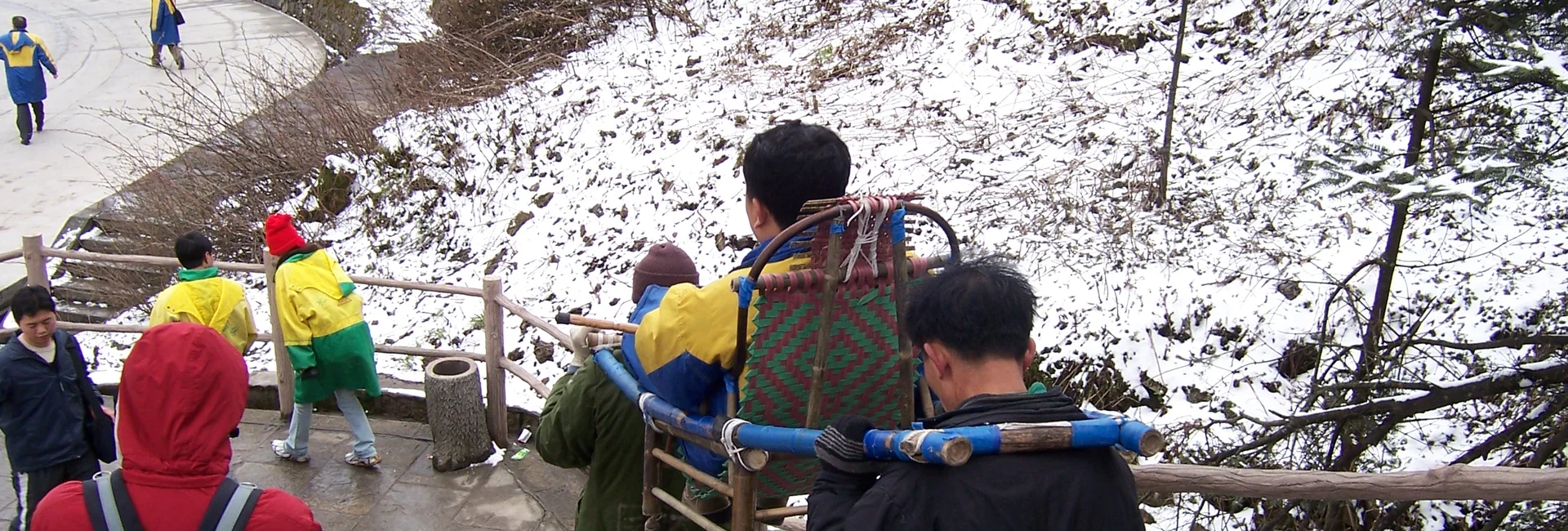
Choose one day only if your goal is a fast overview, the group can leave early, everyone accepts a very long day and Mount Emei is treated as a limited mountain-side experience rather than a full summit or hiking day. Use two days if either place is a real priority, if you want a slower cultural visit, or if the group includes children, senior travelers or anyone who dislikes repeated transfers and long walking days.
| Your priority | Better choice | Why |
|---|---|---|
| See the giant Buddha with a comfortable Chengdu return | Leshan-only day | It leaves room for the monument, viewpoints, walking pace and a proper meal. |
| Mountain scenery, temples and a longer natural setting | Mount Emei-focused day or overnight | The value is in the mountain journey, not simply arriving at the entrance. |
| Only one spare day and both names matter | Compressed private overview | Possible only with strict priorities and a willingness to drop elements if the day stretches. |
| Family, senior or relaxed private travel | Two separate days | It protects energy and makes the itinerary more enjoyable. |
Why These Two Places Are Easy to Underestimate
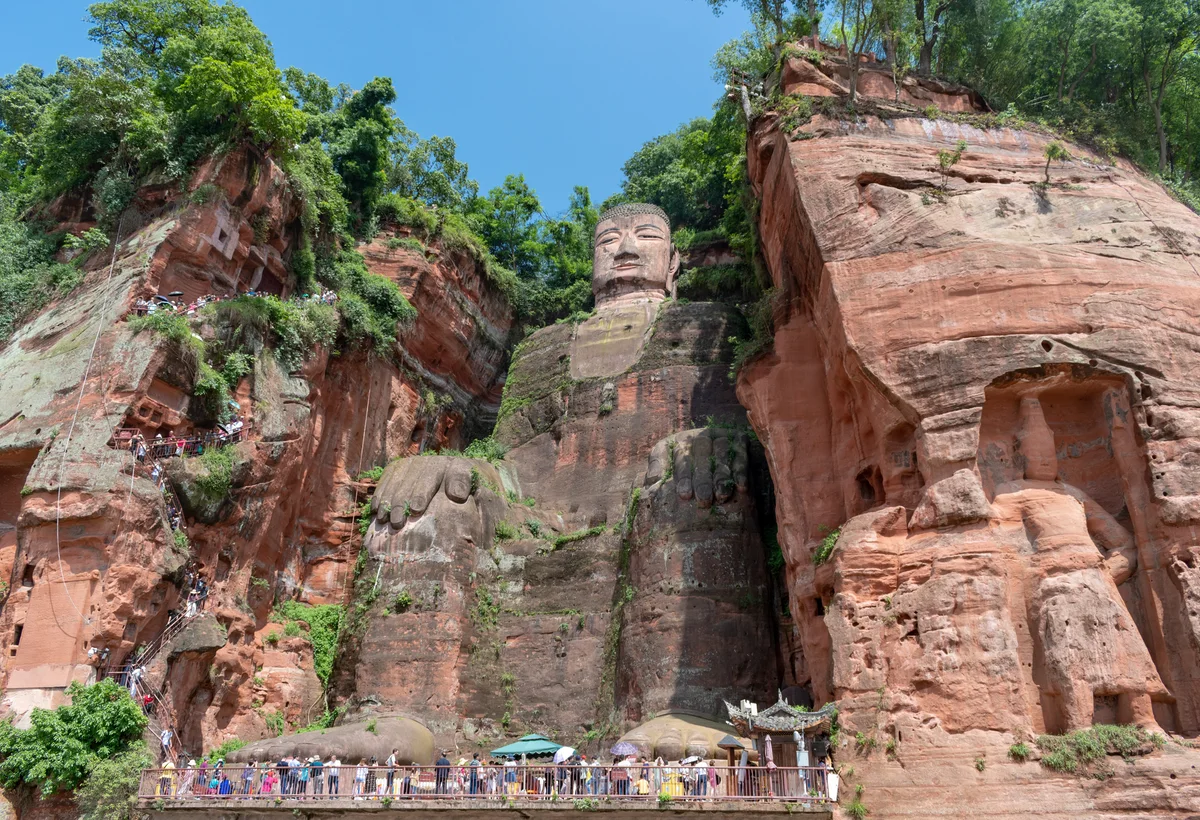
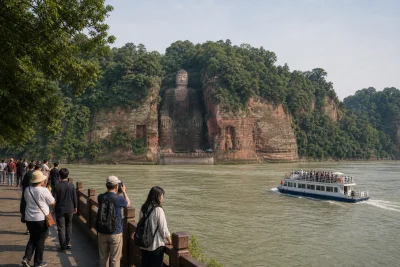
The combined Mount Emei and Leshan Giant Buddha scenic areas are recognized by UNESCO as a single mixed World Heritage property, but they are not one compact attraction. UNESCO describes the Leshan Buddha as a 71-metre figure carved into a hillside above the meeting point of three rivers, while Mount Emei includes a much larger mountain setting with temples, changing vegetation and substantial internal travel. That is the reason a map can make the pairing look simpler than a real day feels.
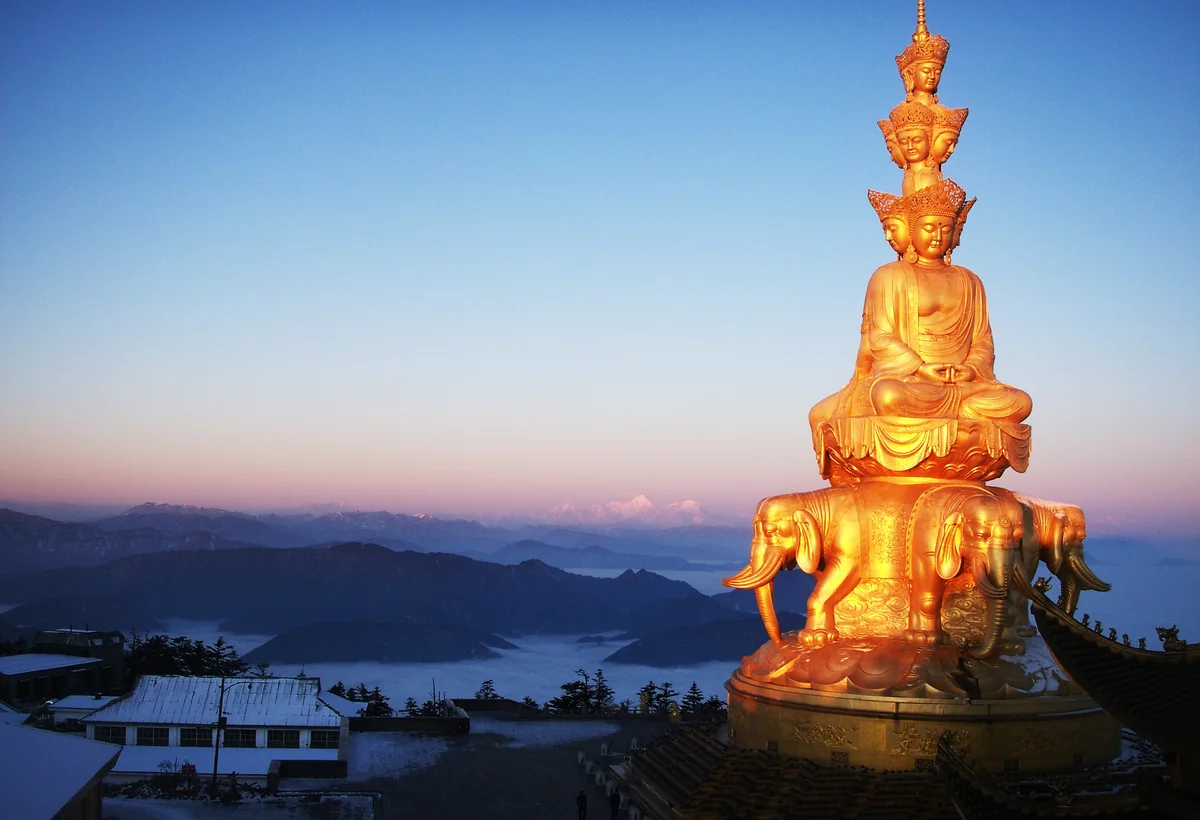
In itinerary terms, Leshan works best when the group decides how much of the visit should be about a distant river perspective, closer walking and the rhythm of the scenic area. Mount Emei works best when the group decides what the mountain day means: a scenic approach, temple time, a higher-elevation experience, hiking, or an overnight. Trying to make every version fit one calendar day usually turns the route into transfers plus short stops.
When One Day Can Work
A same-day combination can make sense for travelers who are adding Sichuan to a wider China route and have a clear, limited wish list. It works better with a private vehicle because the day can begin from the actual hotel, stops can be reordered and the group is not forced to solve every connection separately. Even then, the plan needs an honest definition of success: seeing two major names with selected viewpoints, not completing every trail, temple or summit-style experience.
- Start with a specific primary goal instead of giving both places equal, undefined time.
- Keep the final Mount Emei element flexible in case the Leshan visit or road conditions take longer than expected.
- Do not schedule a late city activity, elaborate dinner or onward train immediately after the return.
- Confirm current entry, internal transport and weather arrangements shortly before travel; these operational details can change.
When Two Days Is the Better Investment
Give the sites two days when the group cares about mountain atmosphere, temples, nature, walking comfort or photography. A two-day structure also creates better choices: Leshan can be a complete cultural and scenic day, then Mount Emei can start without the pressure of a long return. It is especially sensible after a Panda Base morning or before an onward Sichuan journey, when stacking another full-day excursion would make Chengdu feel rushed.
Two days does not mean filling every hour. It means building in the freedom to choose a shorter walking section, pause for weather, have a proper meal and decide whether the mountain deserves more time. That is usually more valuable than claiming both attractions were checked off.
Family, Senior and Comfort Planning
For families, a Leshan-only day is often the easier choice because it gives the day one clear focus. For senior travelers, the important questions are walking surfaces, stairs, standing time, toilet breaks, vehicle pickup points and the group's tolerance for a long return. A private guide and driver can improve the flow, but they cannot turn an overfilled route into an easy day.
Weather matters too. Mountain cloud, rain, cold or low visibility can change the value of a Mount Emei extension, while the open scenic setting at Leshan can also feel different in strong heat or persistent rain. Build the plan around a primary experience and keep the secondary one adjustable.
Final Decision
For a first Sichuan visit, choose Leshan and Mount Emei in one day only when you truly accept an overview day. Choose Leshan alone when the Giant Buddha is the priority. Choose Mount Emei alone or with an overnight when the mountain itself is the reason for the trip. The better itinerary is not the one with the most names; it is the one that leaves enough time for the experience you came for.
For historical context, see UNESCO's Mount Emei Scenic Area, including Leshan Giant Buddha Scenic Area reference. Check current visitor operations and weather before finalizing any route.
More Planning Links for This Guide
Related Tour Ideas
Tour pages that match the same city, topic, or planning intent.
Destination Planning Links
City and destination-topic pages that help readers go deeper.


Related Travel Guides
Article links for the next planning question.

Topic Hubs
Topic pages that collect routes or guides around the same intent.


Plan a Trip from This Guide
Share your travel dates, group size, and the ideas you liked in this guide. We can turn them into a private China itinerary.