
A practical Zhangjiajie weather-backup guide for private tours, explaining how to adjust National Forest Park, Tianmen Mountain, Grand Canyon, walking level, hotel location, and scenic transport when fog or rain changes the day.
Zhangjiajie planning works best when hotel area, transfer timing, meal stops, guide hours, and walking level are considered together.
Zhangjiajie is one of the most weather-sensitive stops on a China itinerary. The scenery is dramatic because of its cliffs, forested valleys, high viewpoints, cable cars, and pillar-like sandstone formations, but those same features mean fog, rain, low cloud, wet steps, and shuttle timing can change the experience quickly.
The answer is not to avoid Zhangjiajie. The answer is to plan it with a weather backup from the beginning. This guide explains how to keep a private Zhangjiajie tour realistic when visibility, rain, walking level, or queue conditions shift during the trip. Use it with the Zhangjiajie destination guide, the Zhangjiajie National Parks & Mountain Routes guide, and the Zhangjiajie scenic area choice guide.
Quick answer: protect flexibility, not only viewpoints
The best Zhangjiajie weather backup is a flexible route order. Do not build a plan that depends on one perfect high viewpoint at one exact hour. Keep the most important scenic area as the anchor, then leave room to switch between higher viewpoints, lower walking routes, cable car timing, indoor breaks, and a simpler afternoon if the weather turns.
If the group is visiting Zhangjiajie mainly for the mountain pillars, protect time for Wulingyuan and Zhangjiajie National Forest Park. If the group is more interested in cable-car drama and a compact mountain day, Tianmen Mountain can still be useful, but it should not be oversold on a low-visibility day.
Why weather matters so much here
Zhangjiajie mountain sightseeing is not like a city museum day. The route may involve park shuttles, elevators, cableways, stairs, wet stone paths, cliff-side walkways, and viewpoints at different elevations. A small weather change can make one area atmospheric and another area frustrating.
The UNESCO listing for Wulingyuan Scenic and Historic Interest Area explains the region's dramatic quartz sandstone pillars, ravines, forests, and scenic landforms. Those landscapes are exactly why Zhangjiajie is worth planning carefully. Mist can make them beautiful, but heavy fog can hide the views that travelers came to see.
Backup style 1: National Forest Park on a misty day
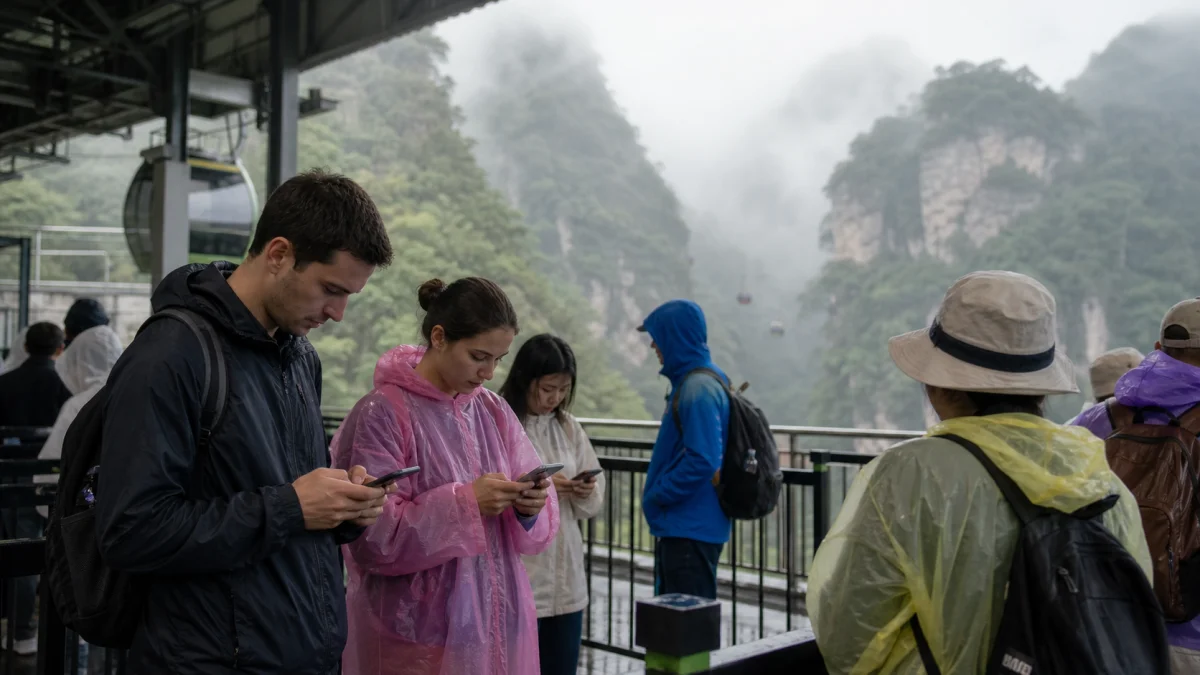
For many first-time visitors, Zhangjiajie National Forest Park and the Wulingyuan area are the core. On a light-mist day, the scenery can be excellent because the pillars appear and disappear through cloud. On a heavy-fog day, chasing every famous platform can waste energy.
A better private-tour plan is to keep the route selective. Choose fewer viewpoints, avoid unnecessary backtracking, and include lower or mid-level areas if the upper platforms stay hidden. If the group has already done a long transfer day, use the weather as a reason to slow the pace rather than forcing a full checklist.
Backup style 2: Tianmen Mountain when visibility is mixed
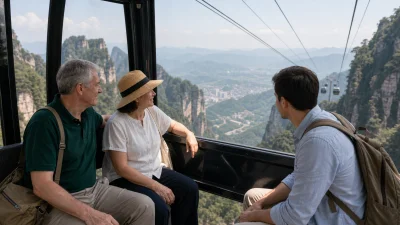
Tianmen Mountain is a different experience from the forest park. It can include cableway travel, high walkways, cliff-side elements, glass sections when open, and very memorable mountain infrastructure. In clear weather it can feel dramatic. In thick fog, the experience may become more about movement, height, and atmosphere than distant views.
This does not make Tianmen Mountain a bad choice. It simply means expectations should be clear. If visibility is poor and the group dislikes heights, wet paths, or exposed walking, a lighter Tianmen plan may be better than a full high-mountain push. If the group enjoys moody weather and is comfortable walking, mist can still create a powerful day.
Backup style 3: Grand Canyon or glass-bridge areas
Zhangjiajie Grand Canyon and glass-bridge-style experiences can be tempting as backup ideas, but they are not automatic replacements for poor weather. Rain, wind, maintenance, crowd control, ticketing, and temporary notices can all affect whether these places fit the day.
Use these areas only when they match the group's interests and current operating conditions. They can work for travelers who want a different kind of scenic experience, but they should not crowd out the main national-park scenery unless the route has enough days.
What to do in common weather situations
| Situation | Better planning move | Watch out for |
|---|---|---|
| Light mist, no heavy rain | Keep the main mountain day, but choose fewer viewpoints and allow more photo time. | Wet paths and slower walking. |
| Heavy fog at high viewpoints | Switch to lower or mid-level routes, shorter loops, or a later attempt if the itinerary allows. | Wasting time chasing every famous platform. |
| Steady rain | Use cableways and covered transport carefully, reduce stairs, and keep lunch or hotel breaks flexible. | Slippery surfaces, umbrellas in crowds, and tired travelers. |
| Mixed weather with short clear windows | Let the guide adjust viewpoint order in real time instead of following a rigid printed sequence. | Missing the best visibility by staying too long in one zone. |
| Family or senior group | Prioritize safer walking, rest stops, toilets, and transport convenience over maximum coverage. | Overestimating daily steps and stair tolerance. |
Walking level matters more after rain
Even when a route uses elevators, shuttles, or cable cars, Zhangjiajie is still an outdoor mountain destination. There can be standing, ramps, stairs, wet stone, narrow turns, queue movement, and long transitions between transport and viewpoints. After rain, a normal walking route can feel much harder.
Families and senior travelers should be honest about knees, balance, fear of heights, and how long the group can stay outside in damp weather. The China daily comfort guide is useful before confirming walking level, restroom expectations, and rest breaks.
Hotel location can make or break the backup plan
Weather flexibility depends partly on where you sleep. A Wulingyuan-side hotel can be better for forest-park access and early starts. A city-side hotel may fit arrival, departure, Tianmen Mountain, or station logistics better. The right answer depends on the exact route order.
Before finalizing hotels, compare the day plan with the Zhangjiajie airport and train station transfer guide. A beautiful hotel is less useful if every weather-adjusted day starts with a long transfer at the wrong time.
How many days gives the best weather buffer?
One full Zhangjiajie day can work only if expectations are narrow. It may cover one main scenic experience, but it gives very little protection against poor visibility. Two full days are much safer for most private tours because the guide can separate the forest park from Tianmen Mountain or another scenic choice.
Three nights can be useful for travelers who care deeply about photography, want a slower walking pace, or are visiting in a season when rain and fog are more likely. The value is not just adding more stops. The value is having enough room to change the order without losing the whole destination.
What to pack for a weather-flexible Zhangjiajie day
- Light rain jacket: easier than relying only on an umbrella in crowds or on stairs.
- Non-slip shoes: wet stone and steps matter more than fashion here.
- Small day bag: keep hands free for railings, photos, and tickets.
- Phone power: route changes, ticket checks, photos, and translation can drain batteries.
- Dry layer: useful after long damp outdoor periods, especially for children and older travelers.
How a private guide should adjust the day
A strong Zhangjiajie guide should not simply follow the original order when conditions change. The guide should watch visibility, shuttle flow, queue pressure, walking fatigue, and the group's interest level. Sometimes the best decision is to wait thirty minutes. Sometimes it is to move to a lower route. Sometimes it is to cut one viewpoint and protect the afternoon.
This is where private planning matters. The goal is not to guarantee perfect weather. The goal is to avoid turning imperfect weather into a bad travel day.
Bottom line
Zhangjiajie is worth visiting because the landscape is unusual, large, and visually powerful. But it should be planned as a mountain destination, not as a fixed city checklist. Build in weather flexibility, choose hotels that support the route, keep walking level realistic, and let the final day order respond to fog, rain, and visibility. A flexible Zhangjiajie plan gives travelers a better chance of enjoying the mountains even when the weather is not perfect.
More Planning Links for This Guide
Related Tour Ideas
Tour pages that match the same city, topic, or planning intent.

Destination Planning Links
City and destination-topic pages that help readers go deeper.


Related Travel Guides
Article links for the next planning question.
Topic Hubs
Topic pages that collect routes or guides around the same intent.


Plan a Trip from This Guide
Share your travel dates, group size, and the ideas you liked in this guide. We can turn them into a private China itinerary.