
Choose Lijiang Old Town or Baisha Village by the pace, cultural focus, evening atmosphere and mountain-view time you want on a first Yunnan visit.
Use this guide as one planning layer, then match the route with travel dates, arrival city, hotel class, group size, and daily pace.
Lijiang Old Town and Baisha Village can both belong in a first Yunnan itinerary, but they do different work. The Old Town gives you the dense lanes, waterways, roofscape and evening atmosphere that many first-time visitors expect from Lijiang. Baisha offers a quieter village setting, more breathing room and a more deliberate way to approach Naxi heritage and the landscape beyond the urban core. The useful question is not which is more famous. It is where your limited time will feel most complete.
This is a planning guide, not a fixed day plan. Visitor controls, access arrangements, performances and weather can change, so confirm practical details for your exact travel dates after choosing the route shape.
Quick answer: make the Old Town your first anchor, then add Baisha for contrast
For most first-time visitors, Lijiang Old Town deserves the first unhurried block of time because it establishes the place: the lanes, water, rooftops and changing mood from day into evening. Baisha is the better second choice when you want the trip to feel less concentrated, with a village-scale pause and a different relationship to the surrounding landscape.
If you only have one partial day in Lijiang, choose one rather than treating both as quick photo stops. With one full city day, use the Old Town as the main experience and add Baisha only if the route can remain calm. With two or more full days, the combination becomes much more rewarding.
Choose Lijiang Old Town for atmosphere and a flexible evening
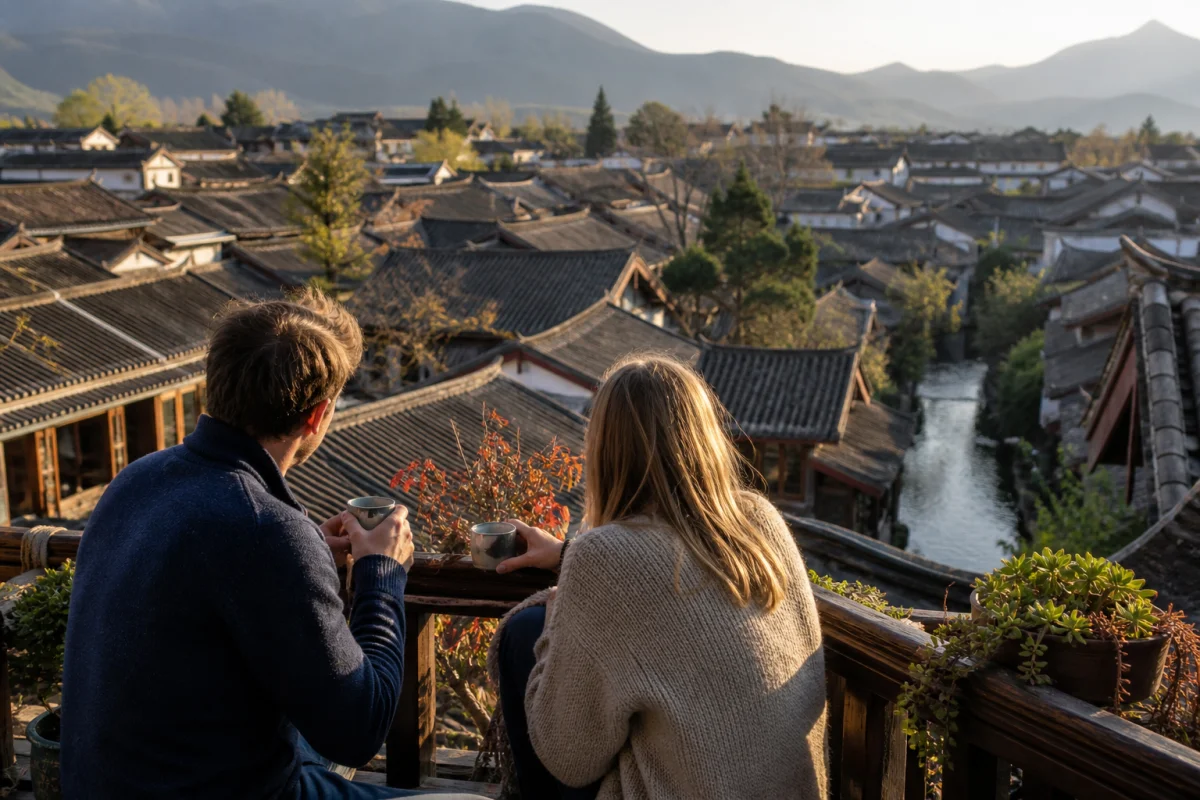
The Old Town is usually the right place to begin when you want the classic Lijiang visual language: narrow paths, canals, rooflines and a larger choice of places to pause for a meal or tea. It also works well on an arrival afternoon because the route can be adjusted around luggage, weather, rest and energy levels rather than depending on a tightly timed activity.
The trade-off is density. The Old Town is more stimulating and can become tiring if you approach it as a checklist of every lane and viewpoint. Pick a small zone, build in a proper break, and save some time for the late-day change in light. Visitors with mobility limits should ask for a hotel and route that reduces unnecessary cobbled walking and level changes.
Choose Baisha for a quieter cultural layer
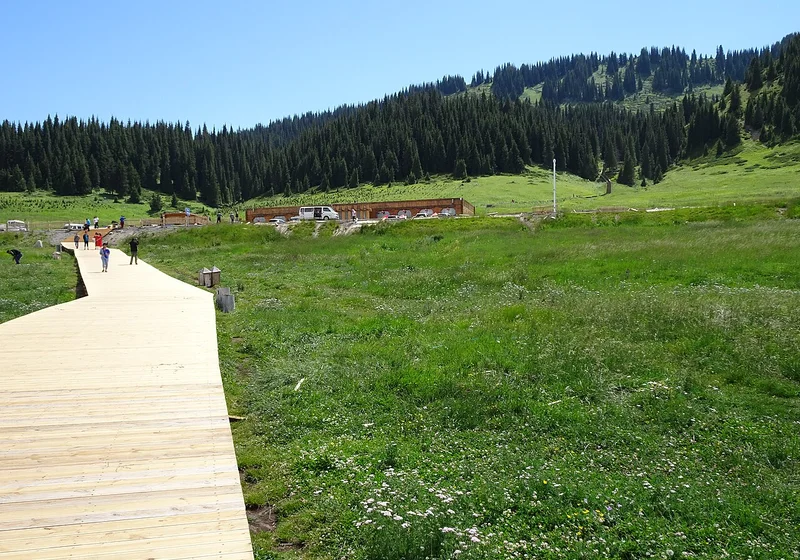
Baisha is a good fit when you want to step away from the more concentrated rhythm of the Old Town. Its village setting creates more space to notice the wider Lijiang basin and, when conditions allow, the mountain backdrop. The area is also associated with the early Naxi cultural landscape and historic mural heritage, so it can add context rather than simply another old-street experience.
Do not make Baisha a rushed detour between an Old Town morning and a big mountain excursion. It works best as a deliberately slower half-day or as part of a day that has one main focus. For travelers interested in local culture, architecture or photography, that quieter pace is the reason to go.
How to use one, two or three days in Lijiang
- One partial day: use Lijiang Old Town, with enough time for a walk, a meal and an evening pause.
- One full day: choose the Old Town as the anchor, then add Baisha only when the group prefers culture and village time over a longer city circuit.
- Two full days: give one day to the Old Town and its immediate surroundings, then reserve a separate calmer block for Baisha or a carefully chosen mountain-side experience.
- Three days or more: decide whether the extra time belongs in Lijiang, a Jade Dragon Snow Mountain day, Tiger Leaping Gorge, or another Yunnan stop. Do not assume every extension fits because the place names are nearby on a map.
Who should choose which?
| Traveler priority | Usually the better fit | Reason |
|---|---|---|
| First-time Lijiang visit with limited time | Old Town | It gives the clearest introduction and adapts well to an arrival or evening. |
| Quiet lanes, cultural context and photography | Baisha | The village scale allows a slower, less crowded experience. |
| Families or mixed-age groups | Either, with fewer stops | Walking comfort and vehicle support matter more than trying to cover both quickly. |
| Mountain views as a priority | Baisha, weather permitting | It gives a more open relationship to the landscape than the dense Old Town lanes. |
| Food, evening atmosphere and flexible pacing | Old Town | It is easier to shape around breaks and a relaxed end to the day. |
Keep the mountain day separate
Jade Dragon Snow Mountain is not an add-on for the same day as a full Old Town and Baisha plan. Mountain conditions, altitude comfort, weather and the amount of walking all deserve their own decision. The Meili or Jade Dragon Snow Mountain guide explains when Jade Dragon fits a broader Yunnan route. For the wider choice between a slower Dali stay and more time in Lijiang, see the Yunnan extra-day guide.
Final decision
Choose Lijiang Old Town when you want the first encounter to be atmospheric, walkable in short stages and easy to extend into the evening. Add Baisha when you have enough time to enjoy a quieter cultural counterpoint instead of repeating the same lanes. Share your available days, arrival time, walking comfort, interest in Naxi heritage and mountain priorities before setting the order. Those details determine whether Baisha is a meaningful second chapter or an unnecessary transfer.
More Planning Links for This Guide
Related Tour Ideas
Tour pages that match the same city, topic, or planning intent.


Destination Planning Links
City and destination-topic pages that help readers go deeper.

Related Travel Guides
Article links for the next planning question.

Topic Hubs
Topic pages that collect routes or guides around the same intent.


Plan a Trip from This Guide
Share your travel dates, group size, and the ideas you liked in this guide. We can turn them into a private China itinerary.