
A practical guide to choosing the best time for a Guilin trip, based on whether your priority is the Li River, Yangshuo countryside, Longji Rice Terraces, photography or a slower private itinerary.
Guilin planning works best when hotel area, transfer timing, meal stops, guide hours, and walking level are considered together.
The best time to visit Guilin depends less on finding one perfect month and more on choosing the landscape and travel pace you want. The Li River, Yangshuo countryside and Longji Rice Terraces do not reward the same kind of itinerary in every season. A green, misty river day may be exactly what one traveler wants and a disappointment for someone hoping for broad, clear views.
This is a trip-style guide rather than a fixed weather forecast. Use it with the Guilin and Yangshuo planning guide, the Li River, Yangshuo and Longji choice guide and the Guilin rainy-day backup plan when deciding how many days to allow.
Quick Answer
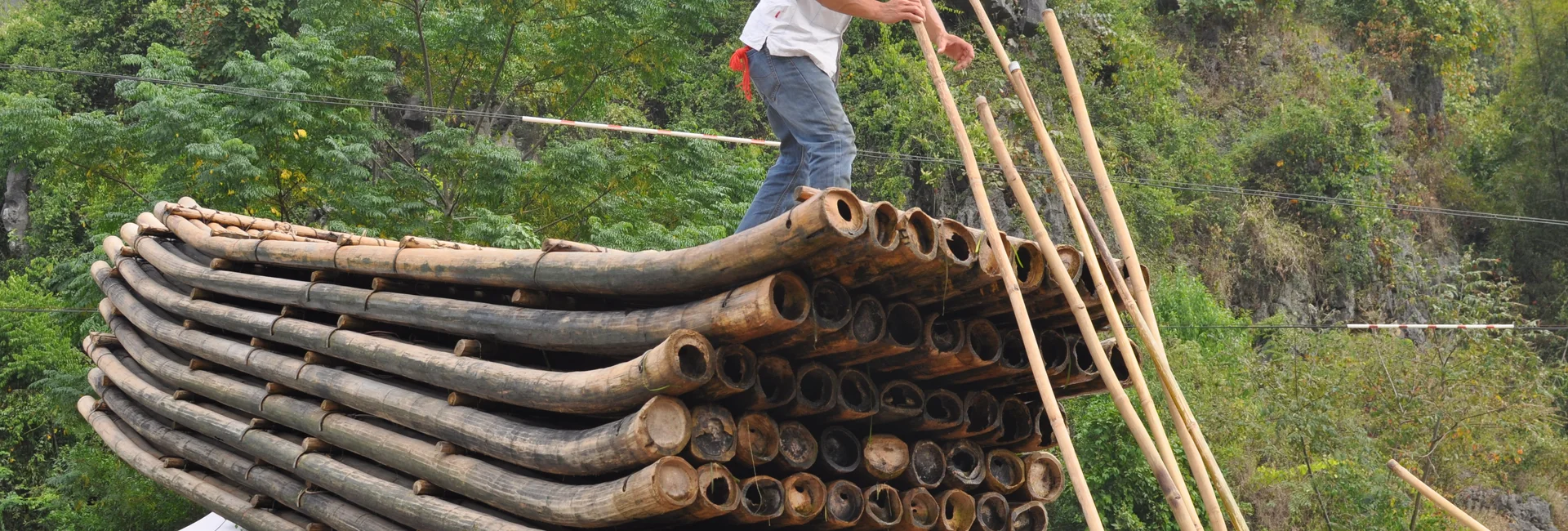
For green scenery and a softer river mood, plan for the warmer growing season and keep weather flexibility. For a more comfortable outdoor pace and clearer-feeling travel days, many travelers prefer the cooler parts of spring or autumn. For Longji, choose your season around the terrace appearance you actually want, then confirm local field conditions before finalizing the route.
| Travel priority | Best seasonal approach | Planning note |
|---|---|---|
| Li River and Yangshuo at their greenest | Warmer, wetter months | Accept mist, rain and changing visibility as part of the landscape. |
| Comfortable walks and a balanced first visit | Shoulder-season style timing | Build in room for a river day, countryside time and one flexible backup. |
| Longji terrace photography | Plan around the desired field look | Water, green growth, harvest color and winter texture are different experiences; never assume a fixed annual date. |
| Quieter travel and lower walking heat | Cooler-season itinerary | Use shorter daylight and less-lush scenery as part of the trade-off. |
Think in Landscapes, Not Just Months
Guilin's appeal comes from the relationship between river, karst hills, countryside and terraces. The Guilin Karst sections form part of UNESCO's South China Karst property, recognized for its tower-karst and riverine landscapes. That landscape is not static: cloud, rain, water level, cultivation and light can all change how a day feels.
A visitor whose main goal is a peaceful Li River scene may enjoy a misty morning. A visitor whose main goal is wide photography may prefer to allow extra time rather than rely on one chosen day. A family that wants easy countryside activity may care more about walking comfort and a clear afternoon than about a specific seasonal color. Start with the experience, then choose the season.
Spring and Early Growing-Season Travel
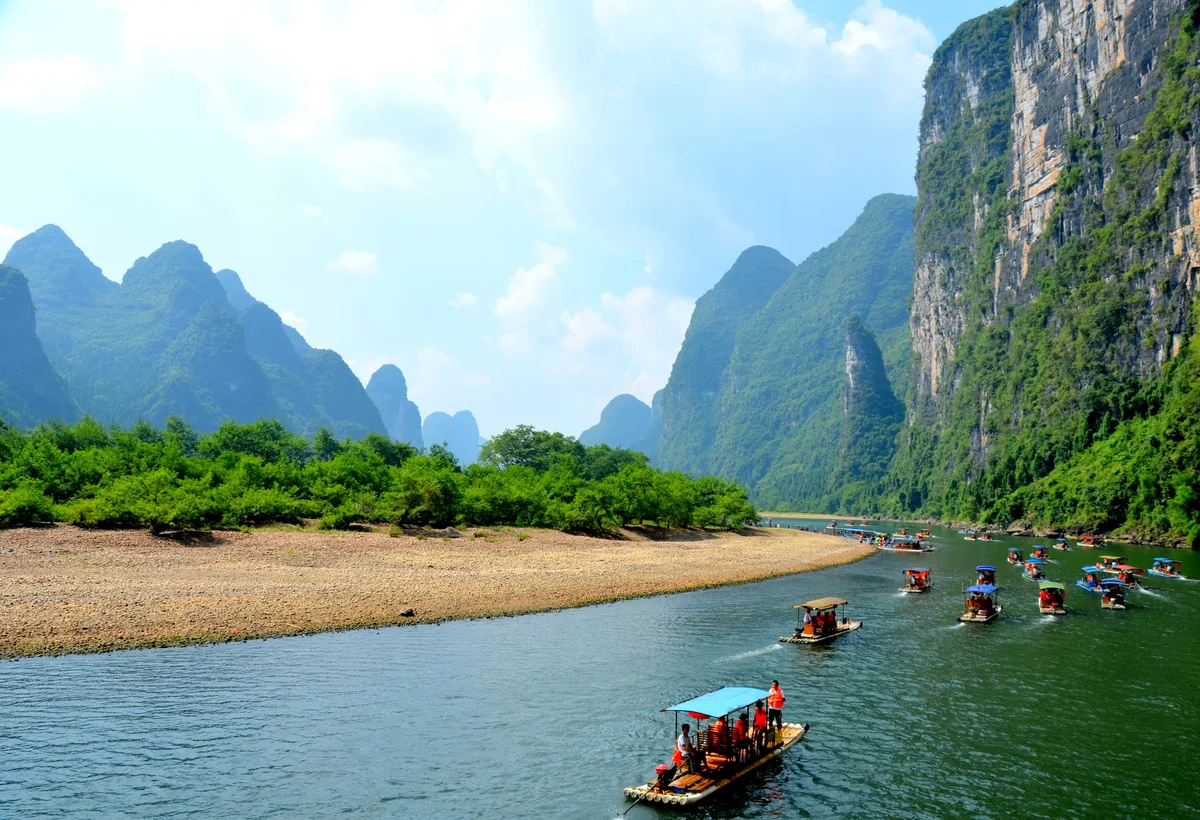
This period can suit travelers who value fresh greenery, soft light and a more atmospheric version of the karst landscape. It can also bring rain and mist. That is not automatically a problem: mist can make the hills feel layered and cinematic, while persistent rain can reduce distant views and make walking surfaces less comfortable.
The right response is not to abandon the trip. Use a route that can shift between a river experience, a sheltered cultural stop, a relaxed meal and a countryside walk when conditions improve. Do not place every major outdoor activity on the same fixed day.
Summer: Green, Lively and More Demanding
Summer can give travelers the lush countryside they expect from Guilin, particularly around Yangshuo and Longji. It can also mean heat, humidity, rain and more pressure on the day's pace. Plan early outdoor starts, a real midday break and a vehicle that can simplify the transitions between hotel, river, village and dinner.
For families and senior travelers, summer success often comes from doing fewer things well: one river or countryside focus, a comfortable lunch, then a slower evening. Avoid building a day around an assumption that every outdoor stop will feel equally easy in midday conditions.
Autumn: A Strong Choice for Mixed Itineraries
Autumn-style travel often works well for visitors who want a balanced Guilin route: river scenery, Yangshuo cycling or walks, and a Longji extension without making the whole itinerary about one weather-sensitive activity. It is also a useful period for combining Guilin with other cities when you want a steadier rhythm rather than a heat-heavy schedule.
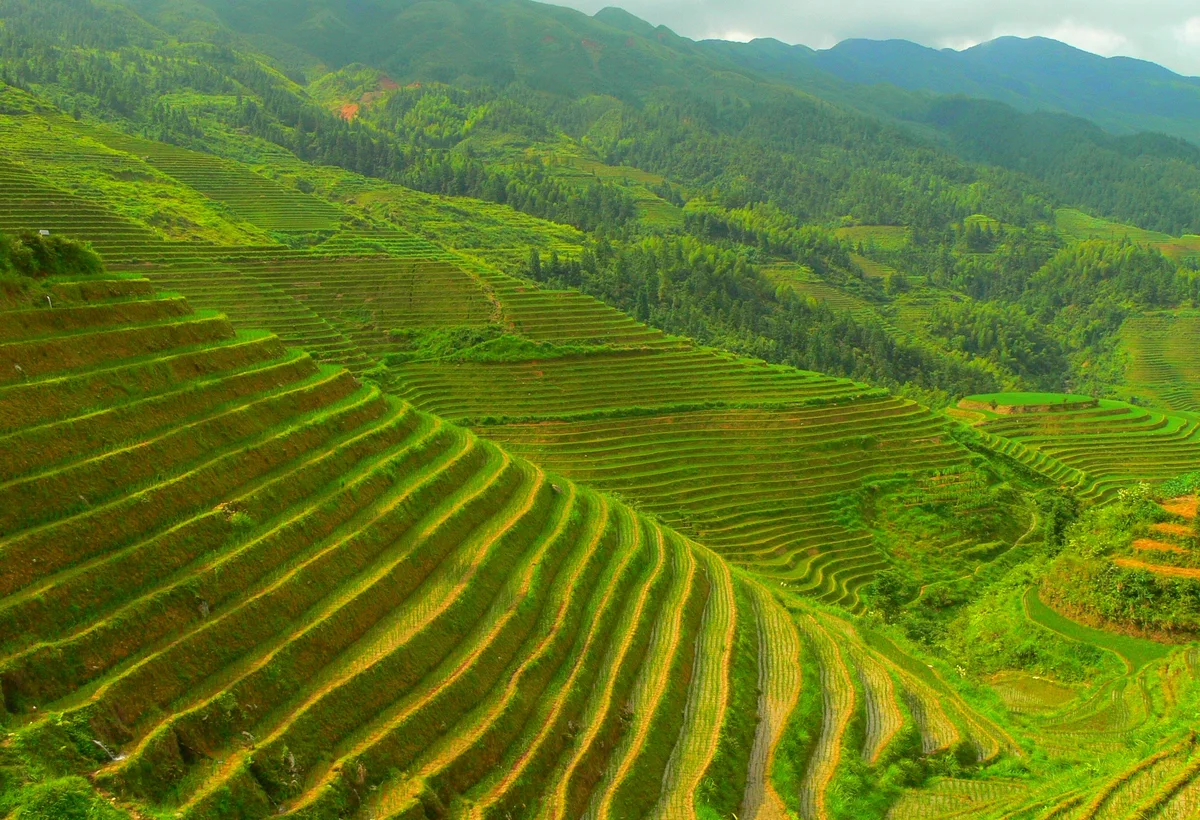
Longji deserves special attention. The terrace look changes through the agricultural cycle, and the timing of planting, growth and harvest varies. Decide whether water reflections, green fields, gold-toned terraces or a quieter textured landscape matters most, then confirm current local conditions before booking the Longji day.
Winter: Choose It for Pace, Not Peak Color
A cooler-season Guilin trip can suit travelers who prefer less heat, a quieter pace and shorter walks between meaningful stops. The trade-off is that the countryside may not have the saturated green look associated with warmer months, and daylight is shorter. Treat that as a route-design decision, not a reason to force a summer-style itinerary into winter.
Use more city-side culture, a measured river experience, good meals and a flexible Yangshuo or Longji day. This is also the season when hotel location and a private driver can make a larger difference to comfort than adding more distant attractions.
How Many Flexible Days Should You Allow?
- Two days: choose one main scenic priority and accept that the other locations will be selective.
- Three days: a good minimum for Guilin city, the Li River or Yangshuo, plus a weather-adjustable element.
- Four days or more: gives Longji its own day and protects the trip from having every landscape depend on the same weather window.
Final Planning Advice
There is no universally best season for Guilin. The best time is the one that matches your preferred landscape, walking comfort and tolerance for weather variation. Make the Li River, Yangshuo and Longji work together instead of treating them as three fixed checkboxes. That creates a calmer route and gives the weather room to become part of the trip rather than a reason the plan fails.
For geological background on the wider landscape, see UNESCO's South China Karst reference. Confirm current operating arrangements, water conditions and local terrace appearance shortly before travel.
More Planning Links for This Guide
Related Tour Ideas
Tour pages that match the same city, topic, or planning intent.



Destination Planning Links
City and destination-topic pages that help readers go deeper.


Related Travel Guides
Article links for the next planning question.


Topic Hubs
Topic pages that collect routes or guides around the same intent.


Plan a Trip from This Guide
Share your travel dates, group size, and the ideas you liked in this guide. We can turn them into a private China itinerary.