
Beijing Culture & History
Beijing is strongest when travelers understand the meaning behind the buildings. Palaces, temples, gates, hutongs, courtyards, museums, and public squares are more than photo stops. They explain how imperial power, ritual life, neighborhood living, and modern city planning connect in one capital.
What to include
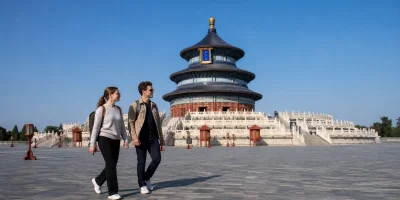
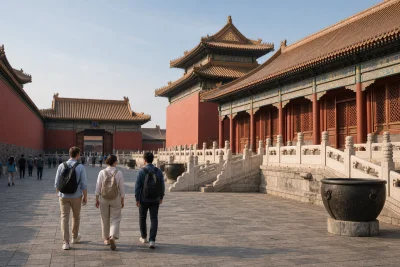
For imperial history, the Forbidden City and Temple of Heaven are the most important starting points. For local texture, hutong neighborhoods and courtyard areas help balance the formal sites. Museums can add depth, but they should be chosen carefully so the day does not become too heavy. Temples, markets, tea breaks, and traditional architecture work well as slower cultural layers.
How to pace cultural days
- Context first: start with one major historic site while the group has the most energy.
- Local contrast: add a hutong walk, tea, snacks, or a market after formal sightseeing.
- Selective museums: choose museums around the group's interests instead of adding them by default.
- Guide time: leave space for explanation, questions, and slower walking.
Who should focus on culture
This topic suits first-time visitors who want more than landmarks, families with older children, architecture lovers, history-focused travelers, and private groups who prefer meaningful guide interpretation. If the group mainly wants views and photos, combine cultural stops with the top attractions route instead of making every day museum-heavy.
For broader planning, return to the Beijing Travel Guide. Food and neighborhood decisions can be paired naturally with this topic through the Beijing food and local life guide.
How to make Beijing culture feel connected
Beijing culture and history are strongest when the guide connects imperial sites, temples, neighborhoods, and everyday life. A day should not jump randomly between famous names. It should explain why the city became China’s political and cultural center and how older layers still appear in today’s streets.
For a first visit, combine major landmarks with a slower local experience such as a hutong walk, tea stop, or neighborhood meal. The Beijing planning guide helps turn these themes into a realistic day order.
Planning notes
- Use one major historic site as the anchor of the day.
- Add a smaller neighborhood or food stop to keep the day human.
- Ask whether museums require advance tickets or timed entry.
- Compare with Beijing travel guide articles for deeper practical planning.
How this fits into a private itinerary
Best For
Travelers who want context, local stories, neighborhoods, museums, old towns, or slower cultural time with a guide.
Pacing
Works best with time for explanation and walking, instead of treating each stop as a quick photo point.
Route Role
Use it to add meaning to the city route and balance famous sights with local texture.
What to confirm before planning
- Share whether you prefer history, architecture, markets, museums, religion, or everyday local life.
- Keep the route selective so the guide has time to explain what you are seeing.
- Combine cultural stops with nearby meals or neighborhoods for a smoother day.
Related Planning Links
Related Tour Ideas
Tour pages that match the same city, topic, or planning intent.

Destination Planning Links
City and destination-topic pages that help readers go deeper.


Related Travel Guides
Article links for the next planning question.

Topic Hubs
Topic pages that collect routes or guides around the same intent.

Need this planned around your dates?
Share your travel month, group size, hotel preference, and the places you care about. We can turn this Beijing topic into a practical private itinerary.